Author Archives: edpmarriott
What’s Your Hook?
I read an article online a while back that the “upcoming” fifth Indiana Jones movie still has no MacGuffin. At first I thought, “What in the world is a MacGuffin?” Then I realized that I knew what it was but hadn’t heard that term before. From Wikipedia:
In fiction, a MacGuffin (sometimes McGuffin or maguffin) is a plot device in the form of some goal, desired object, or other motivator that the protagonist pursues, often with little or no narrative explanation.
This got me thinking about an analog in board games. While it’s not exactly the same in terms of purpose I think the closest analog in board games is the hook.
In my article, “How to (Speed) Pitch Your Game,” I characterized the hook in a few different ways. The hook refers to the thing that’s different than any other game.
- Are you utilizing components in a new way?
- Are you using a new mechanic?
- Are you modifying an old mechanic in a new way?
- Is your theme so amazing?
The hook should be a driving factor of your game. It should be the thing that’s constantly manipulating player’s decisions. It should exist to create moments of tension and reward. Like a MacGuffin, the hook is something that may not be the main plot, but it’s always there steering the narrative along.
When I designed Scoville I didn’t think there was a hook. Then I actually played it. The hook of Scoville is the great interaction within the field and the way cross-breeding opportunities open up throughout the game, and get blocked by other players. The important thing about this is that the hook wasn’t something that was apparent until I actually playtested the game.
So I’ve been trying to keep this hook concept in my mind while designing other games. My current game, Ziggurat, has a visual hook in that the ziggurat actually gets built as a 3D building during the game. But I don’t think that’s a big enough hook. While it looks appealing it’s too superficial. The game needs a bigger hook.
In my article, “My Board Game Design Philosophy,” I mentioned five things that I keep in mind while designing. These included that the game is quick to teach/learn, has few “exception” rules, a limited decision tree, a natural buildup or progression, and that players should be rewarded. I think I need (want) to add a “Hook” to that philosophy.
Playing Hookie
I checked out some of the popular games to see what their hooks were. Here are a few that I came up with:
Agricola/Caverna: The hook is how worker placement is utilized and optimized during the game. In each of these the difficult decisions are when there are several options that seem appealing but you know you won’t likely get both of them. Other players may choose one you wanted. So when it is your turn you have to try and make the best choice with your worker. (Plus Questing, i.e., upgrading your workers, is really awesome in Caverna).
Puerto Rico: The hook is not simply due to role selection, but that the selector gets a benefit. This is similar to the role selection in Race for the Galaxy.
Power Grid: The hook here is that you are racing toward creating the network and it offers a first-come-first-served mechanic of controlling the cities. When a player chooses to build more cities it is both good (More money) and bad (Worse turn order). That’s what gives Power Grid it’s hook.
Tzolk’in: The obvious hook here is the gear system for controlling the game as a time-based worker placement game.
Dominion: As the “father of deckbuilders” the hook is pretty obvious. At the time it was released the idea of deck building was novel and new. The hook is that players diverge in their capabilities each game depending on what they purchase.
Ora et Labora/Glass Road: Yes, more Rosenberg on this list. The hooks here are the resource board wheels that show what resources are available.
Alchemists: The hook is that you can use the digital app to help you mix potions. It makes for fun moments in the game where you aren’t always certain what result you will obtain.
You may disagree with these hooks, but you can’t argue that these help set the game apart from others.
What’s your Hook?
Are you designing games? Have you considered what makes your game special? I urge you to keep a focus on the hook of your game. Keep it in mind when designing. Keep it in mind when playtesting. See what your playtesters think makes the game special. Does that feedback match your hook?
The thing that brought this all up was that I changed a major mechanic of Ziggurat. When I was working on the design I realized that this change would have a dramatic positive effect on the interaction of the game. I wasn’t expecting that. Changing the mechanic basically added a hook to Ziggurat in that now players have the chance to essentially steal opportunities from other players. I can’t wait to get it to the table.
Scoville: Labs Now on Kickstarter!

The first expansion for Scoville is now live on Kickstarter! For $20 you can get the expansion. For $60 you can get the game and the expansion! But hurry, this campaign is only for 10 days and ends on August 21st!
The following information is from the Kickstarter campaign page…
What’s In The Box?
Scoville Labs is an expansion for Scoville. [the base game is required for play.] In the box you will find:
- 6 Player Labs for private pepper research.
- 9 Market Orders.
- 9 Recipes.
- Pepper Multiplier tokens.
- 6 More “Plant 1 Extra Pepper” tokens.
- 5 Phantom Peppers.
- 5 each Green, Orange, and Purple Peppers.
- 5 each Black, Brown, and White Peppers.
- 1 Rule Book
And there are stretch goals, so when the project receives enough funding then we’ll get more awesome stuff in the box! Go check out the campaign to learn more about the stretch goals.
What Makes It Special?
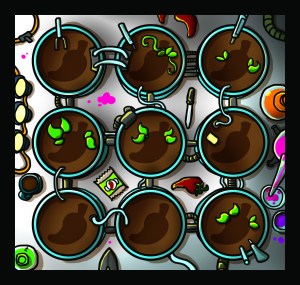
The laboratory workbench for the blue player.
Scoville: Labs is great because it gives players something they lacked in the base game: Control. Now that the competitors in the Scoville Chili Festival are allowed to do their own research they’ve all installed their own lab. The lab allows a player to plant and cross-breed peppers outside of the influence of other players. Now they can have more control over some of the peppers they will receive, and when they will receive them.
Using the 3 x 3 pepper lab players may plant a pepper in one of the pots each round. In subsequent rounds whenever a new pepper is planted it will immediately cross breed with the peppers directly adjacent to it. No one can mess with your lab, which means you have control over what you want to harvest from your lab.
I really like how the simple 3 x 3 personal lab can modify the game in such a fun and exciting way. I’m looking forward to seeing what you all think of it.
Plus, the expansion comes with more of those awesome peppers! So go check it out today! I’d love your support.
Gen Con 2015 Recap With Pictures
Well I am recovered from Gen Con week. Gen Con is always amazing. It’s huge and full of all sorts of different experiences but I think our group had a great Gen Con. One of our focuses this year was sitting down for more demos in the exhibit hall. The tables always seem to fill up, especially Friday and Saturday, so on Thursday we tried to do a bunch of demos. I think we did pretty well with our goal.
What follows is my day by day recap of Gen Con 2015 with pictures…
Thursday
We arrived in Indy around noon, grabbed a quick lunch at Yats, and then headed right to the exhibit hall where we hunted down demos. Here are the pictures worth sharing from Thursday.
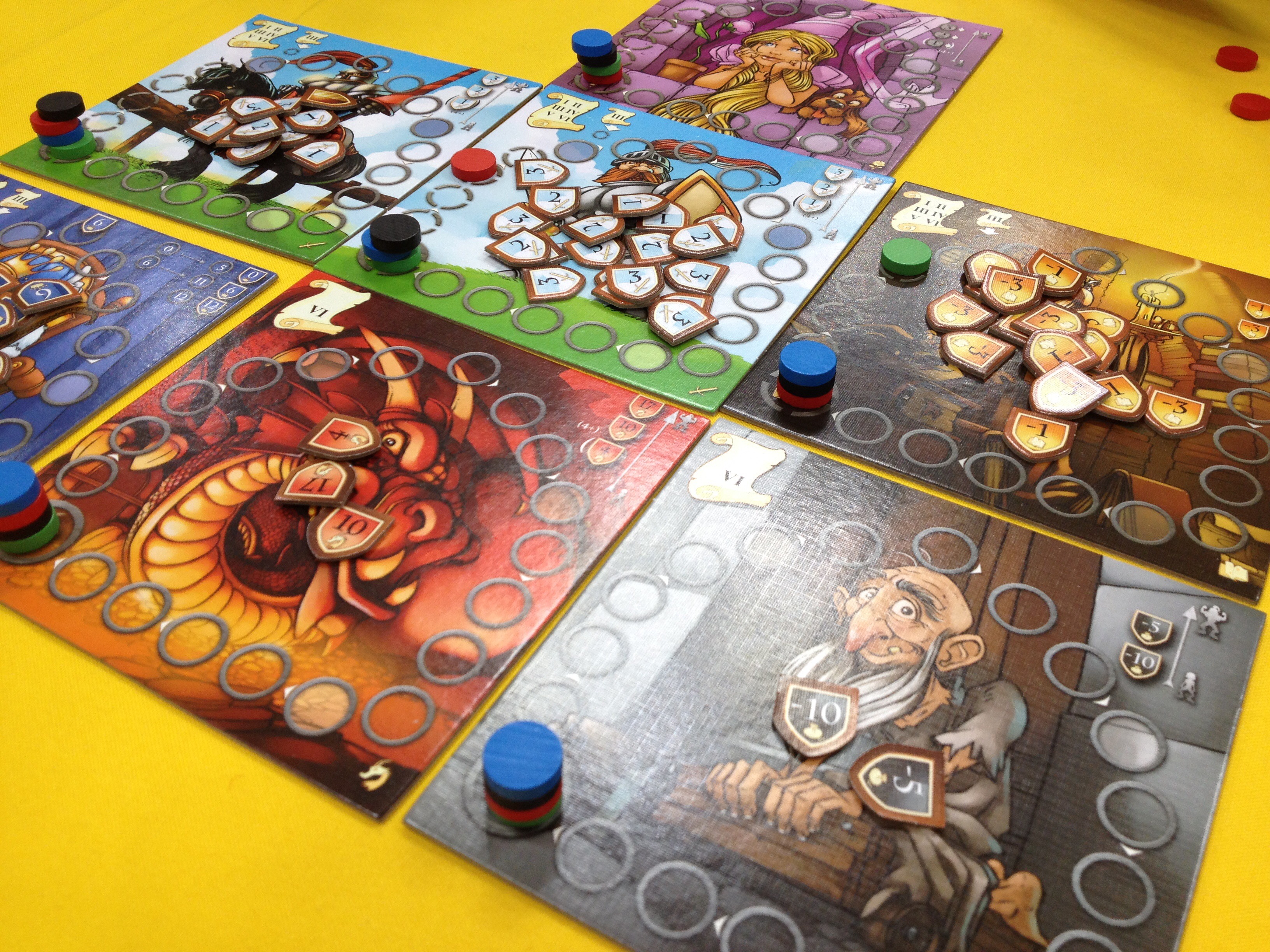
Game Demo #1: Medieval Academy
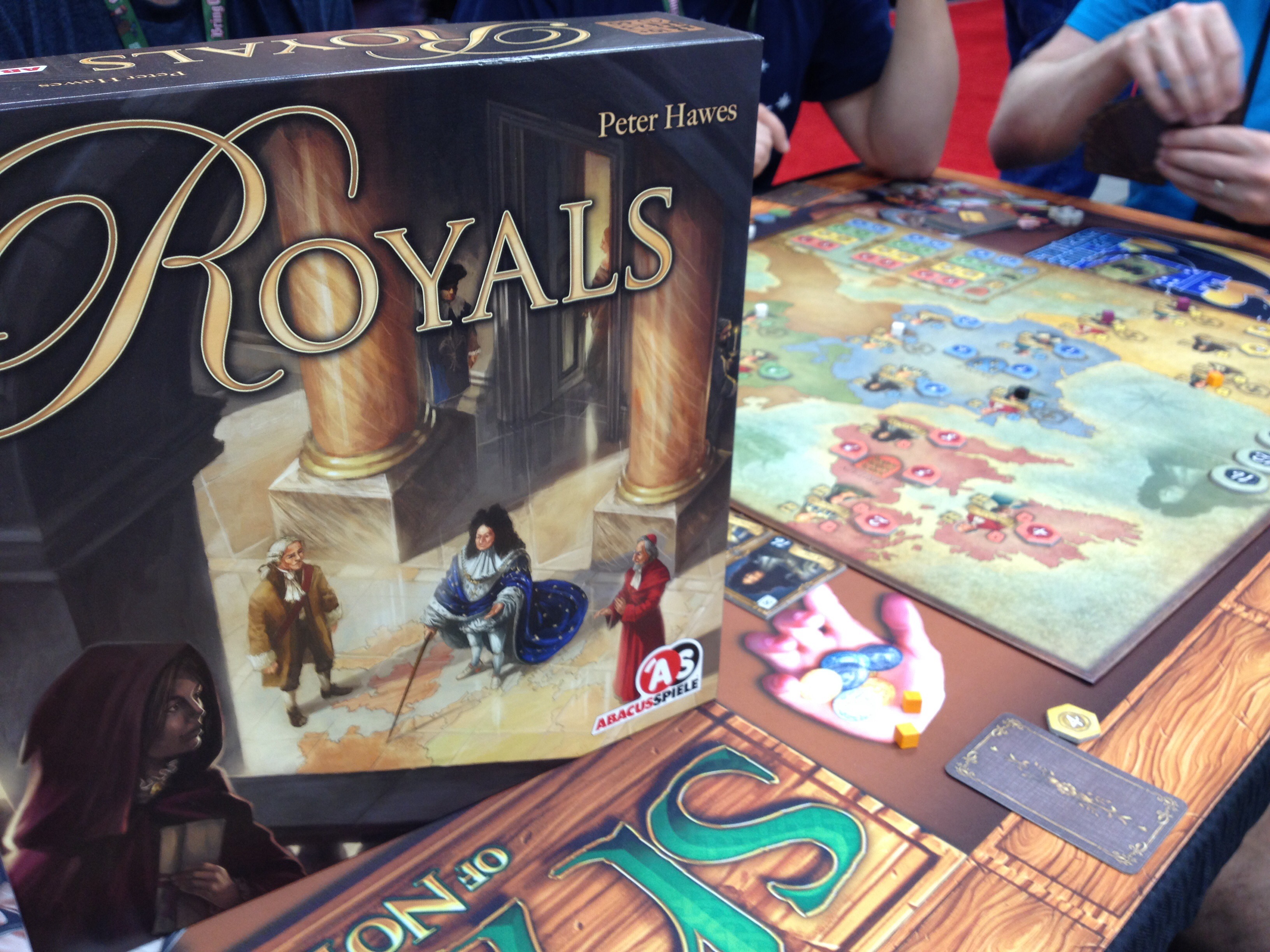
Game Demo #2: Royals
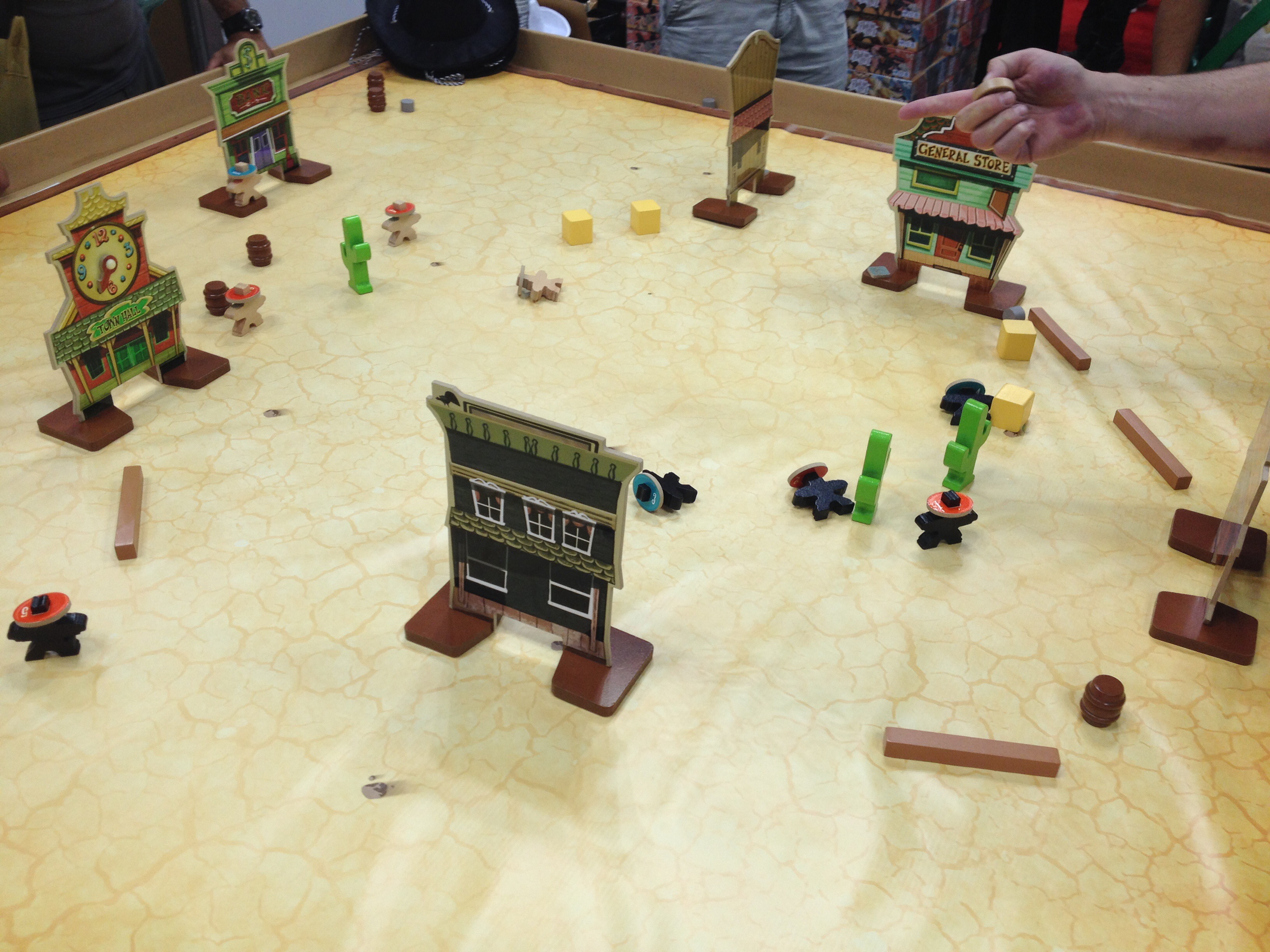
Pseudo Game Demo #3: Giant Flick ’em Up
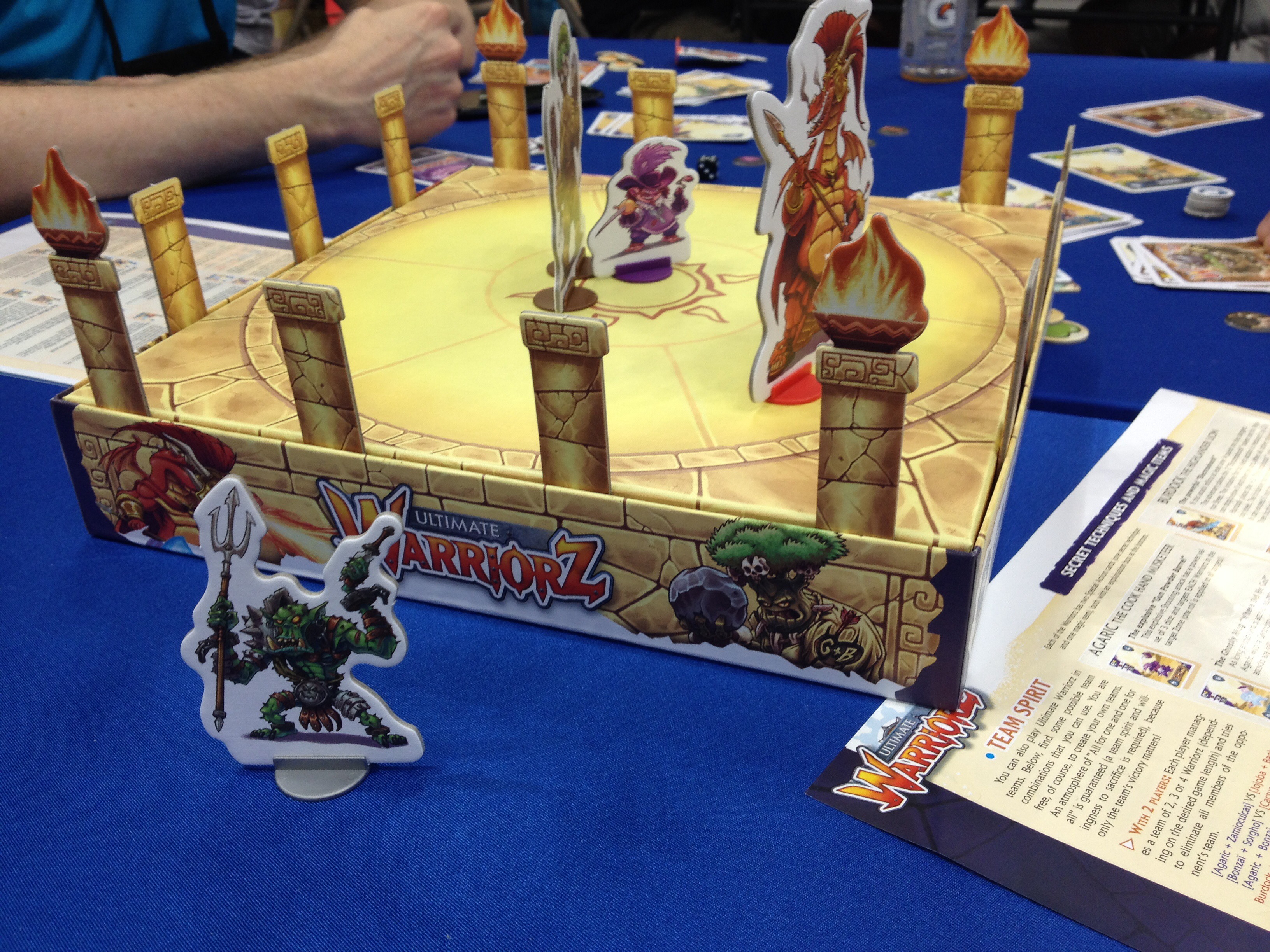
Game Demo #4: Ultimate Warriorz (played while others were demoing something else)
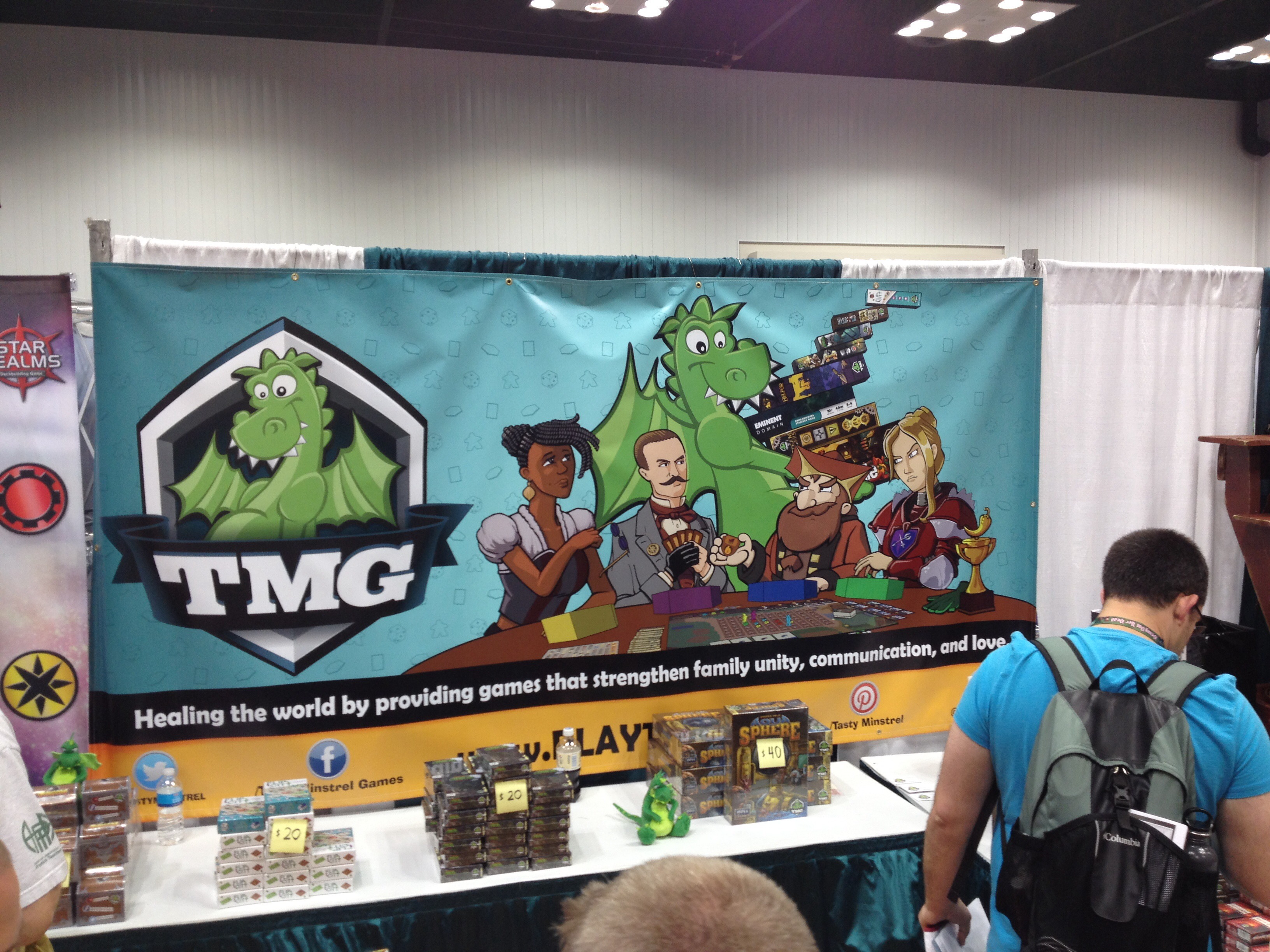
TMG Booth Banner. Check out the awesome game they’ve got on their table!
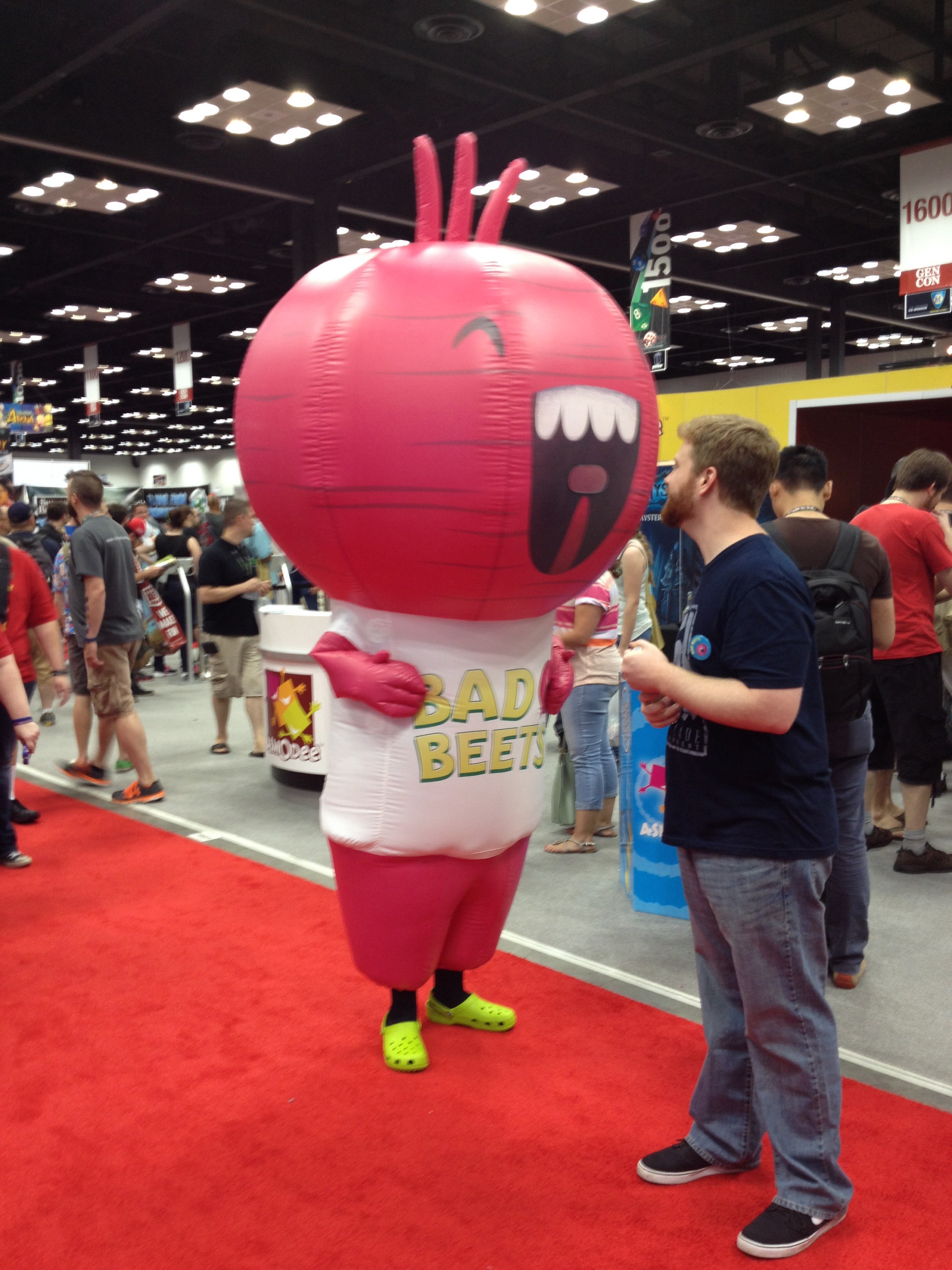
This Bad Beets guy was constantly roaming the exhibit hall. Pretty sweet.

Saw this chrome-tastic Shelby Cobra (likely a replica) at our hotel.
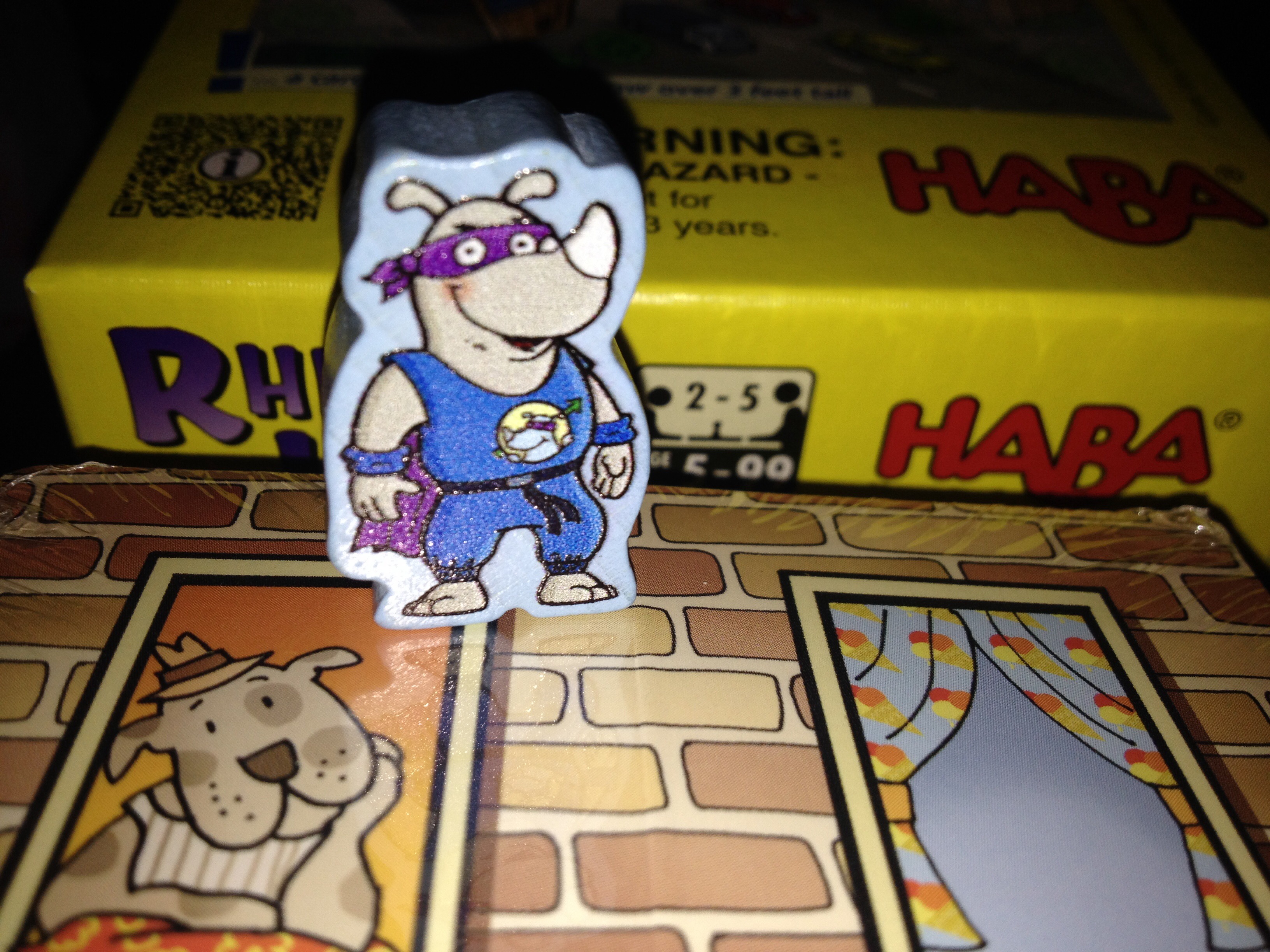
My new friend. Hello Rhino Hero! I got the awesome cape too, but there are no pictures of me wearing it.
Friday
The next morning we wanted to get to the exhibit hall first thing to try and snag a copy of Mysterium. We failed miserably. They only had 100 per day but we were close enough to the front that we thought we had a chance. Here are Friday’s pictures:
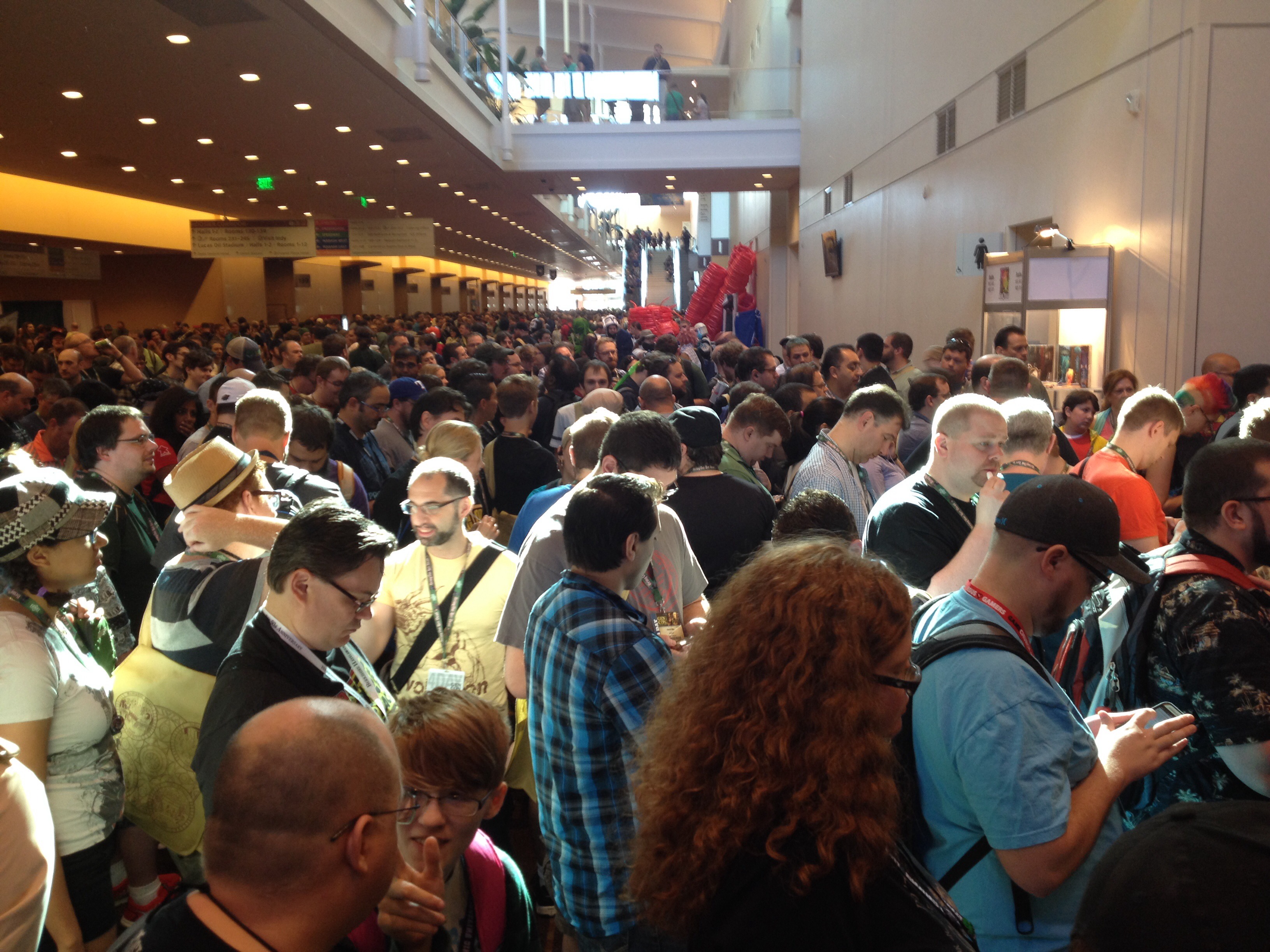
A lot of people were waiting for the exhibit hall to open.
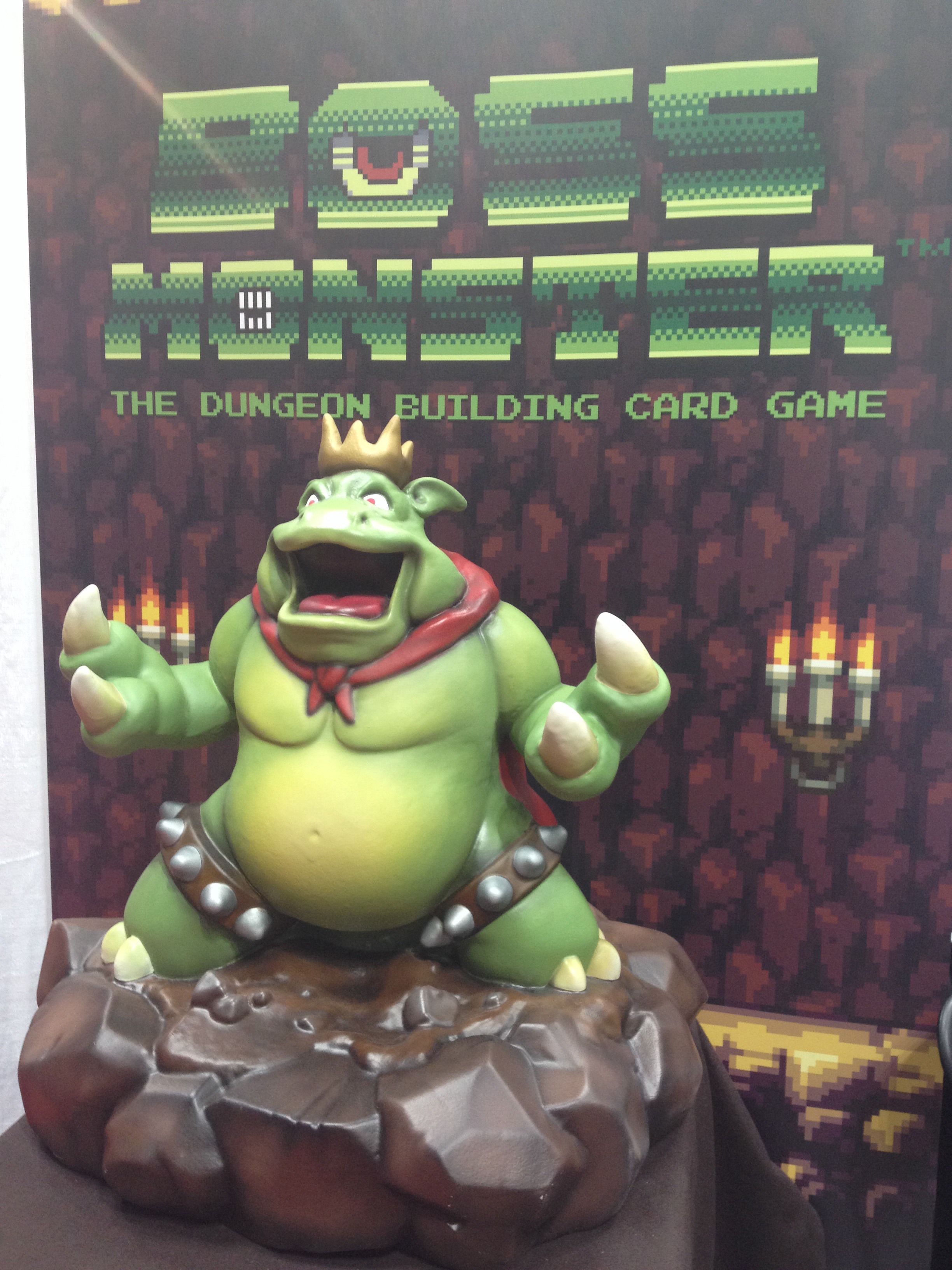
This dude is pretty sweet.
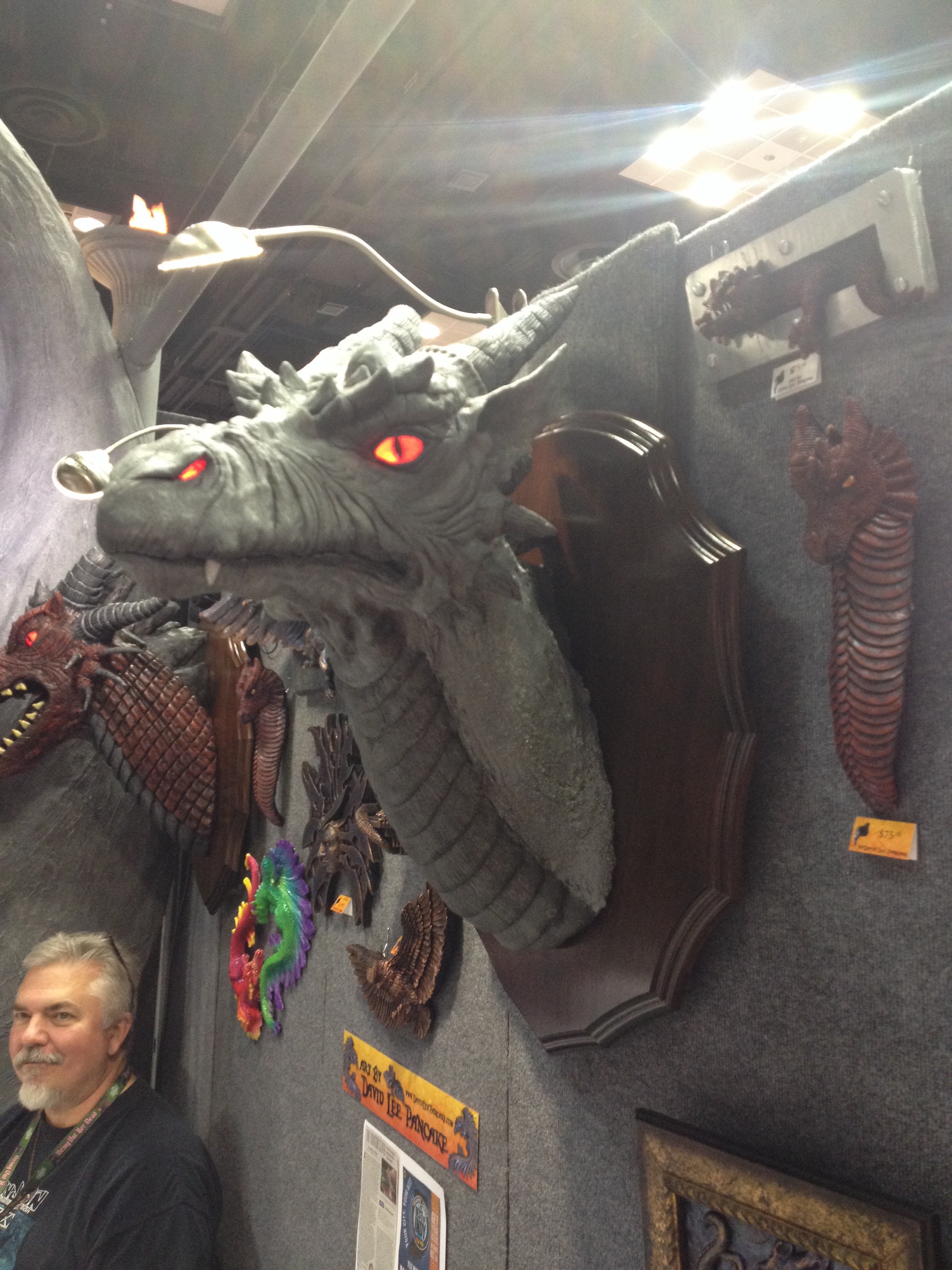
This guy looks slightly more fierce than the boss monster.
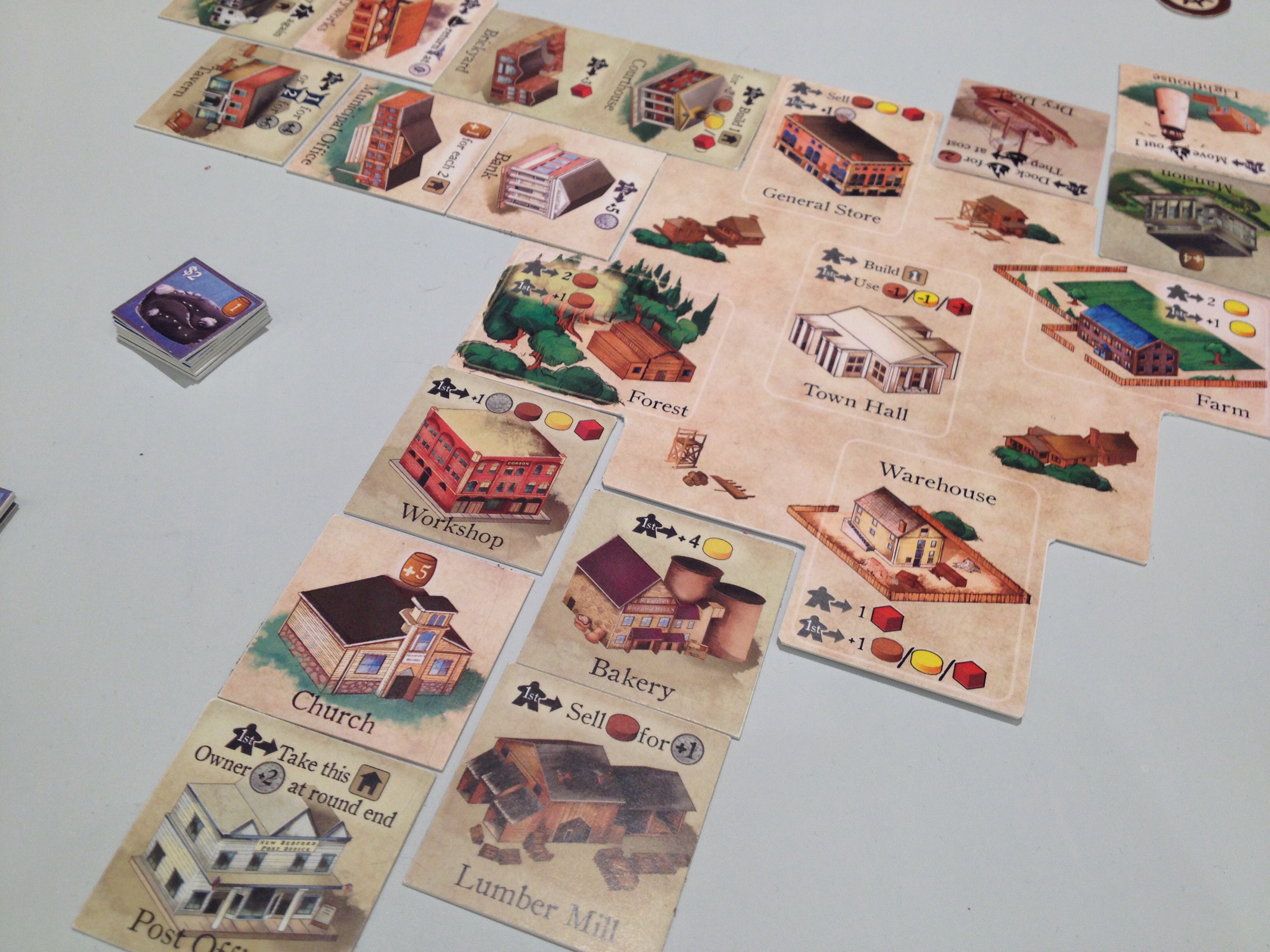
Demo of New Bedford from Dice Hate Me games and Greater Than Games. Looks awesome!
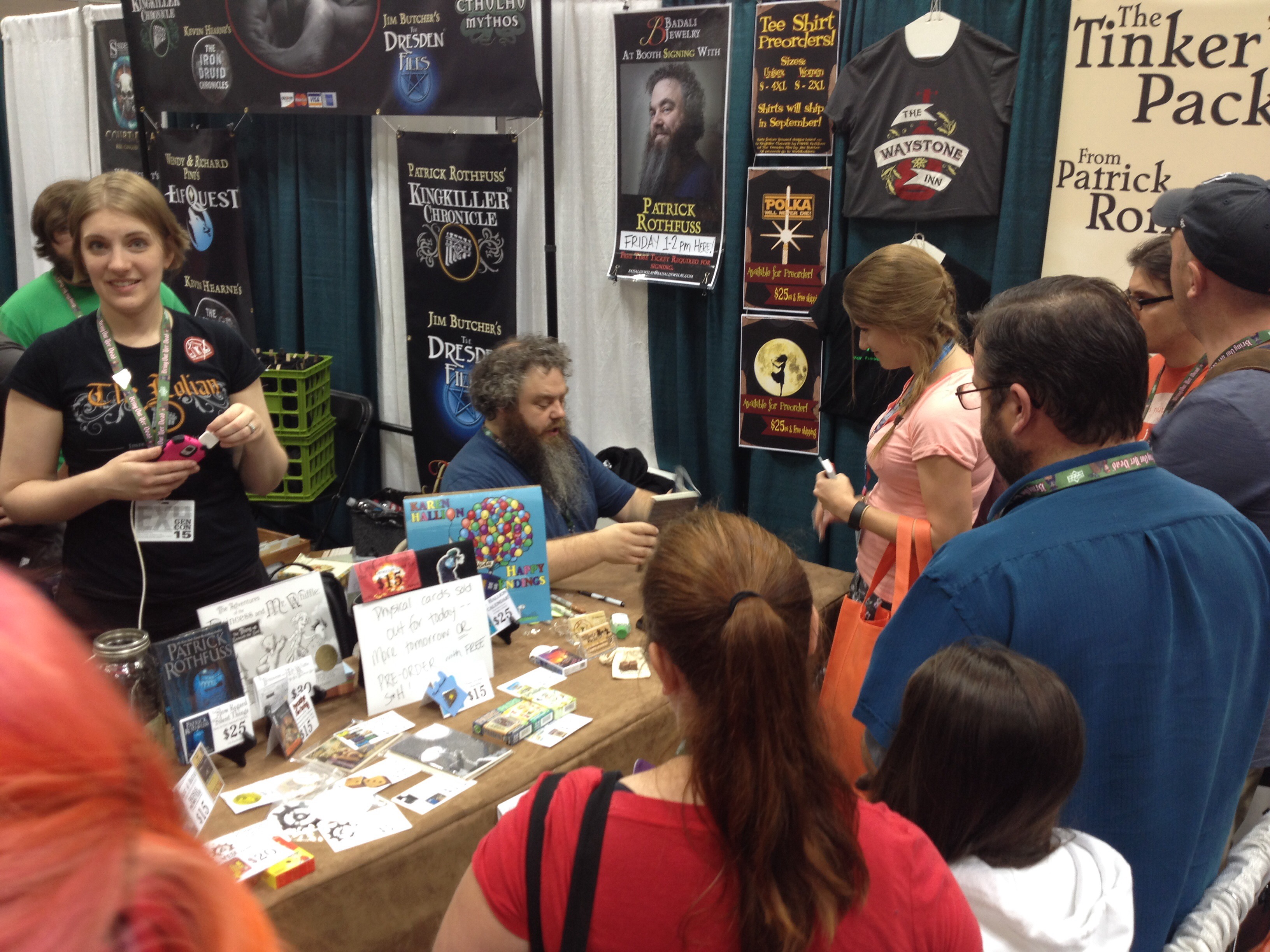
Patrick Rothfuss signing stuff.
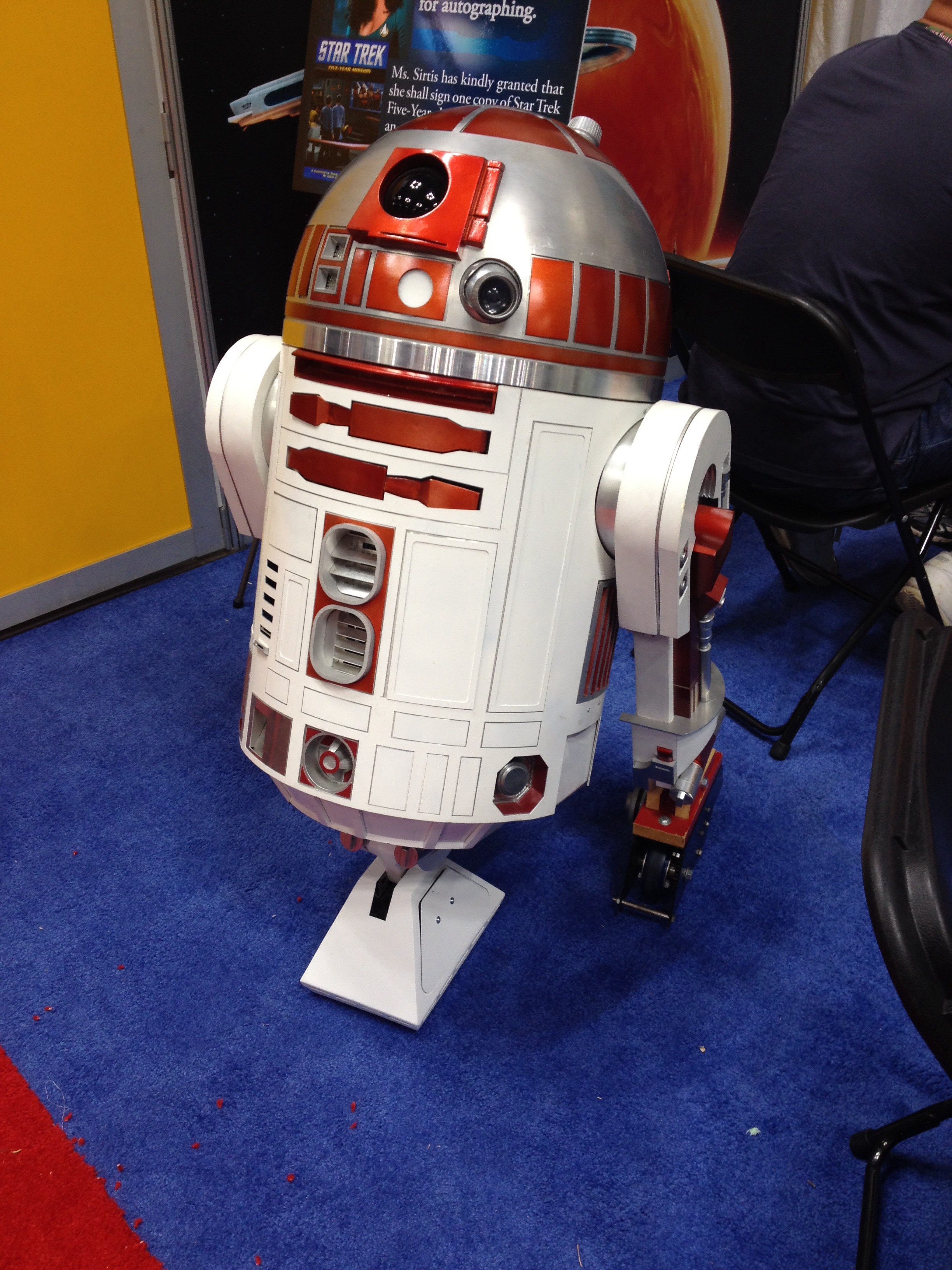
This thing was “fully functional.” It could move and beep and stuff.
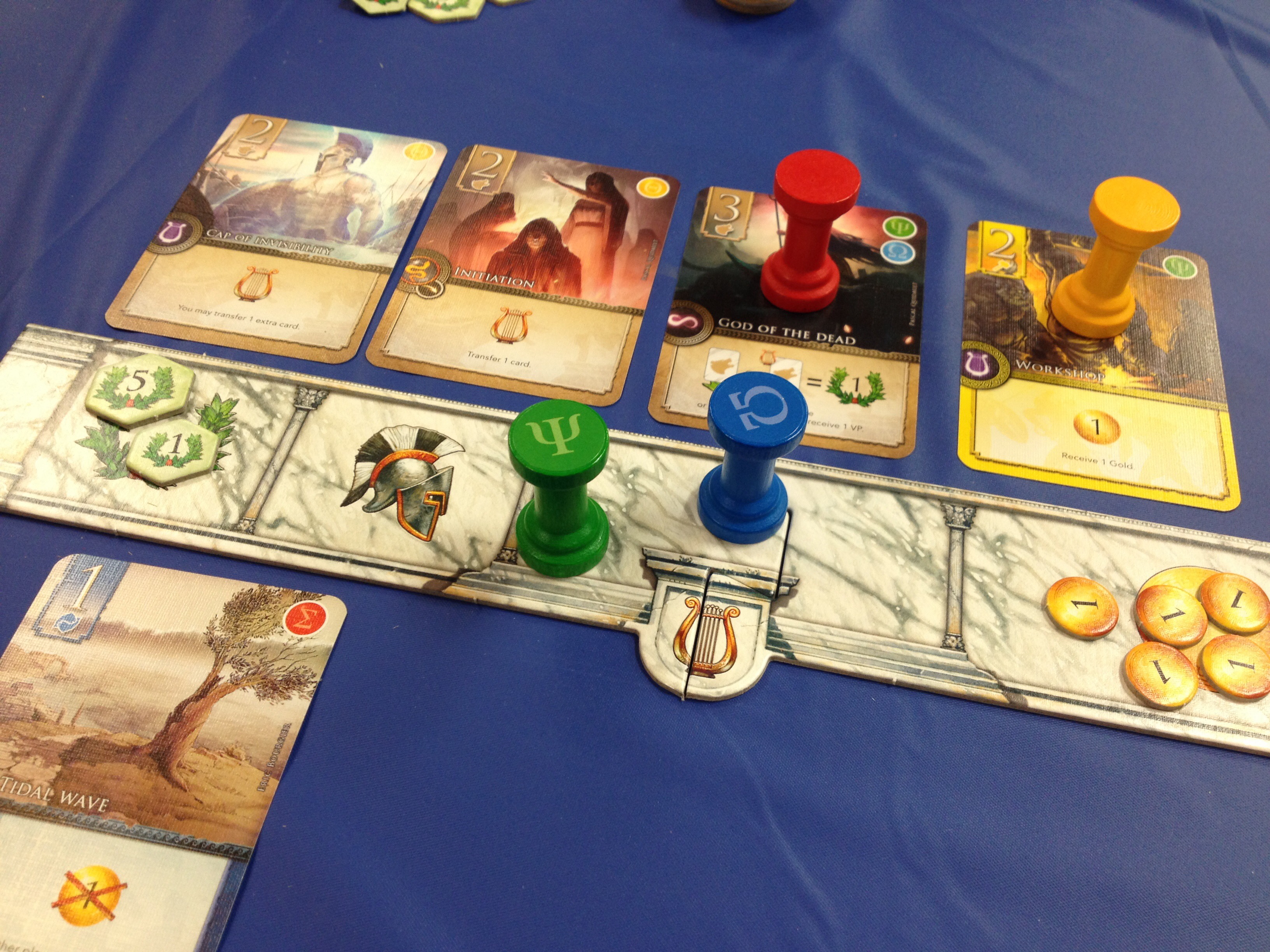
Elysium was one of our groups favorite games of the con. Really interesting gameplay here.
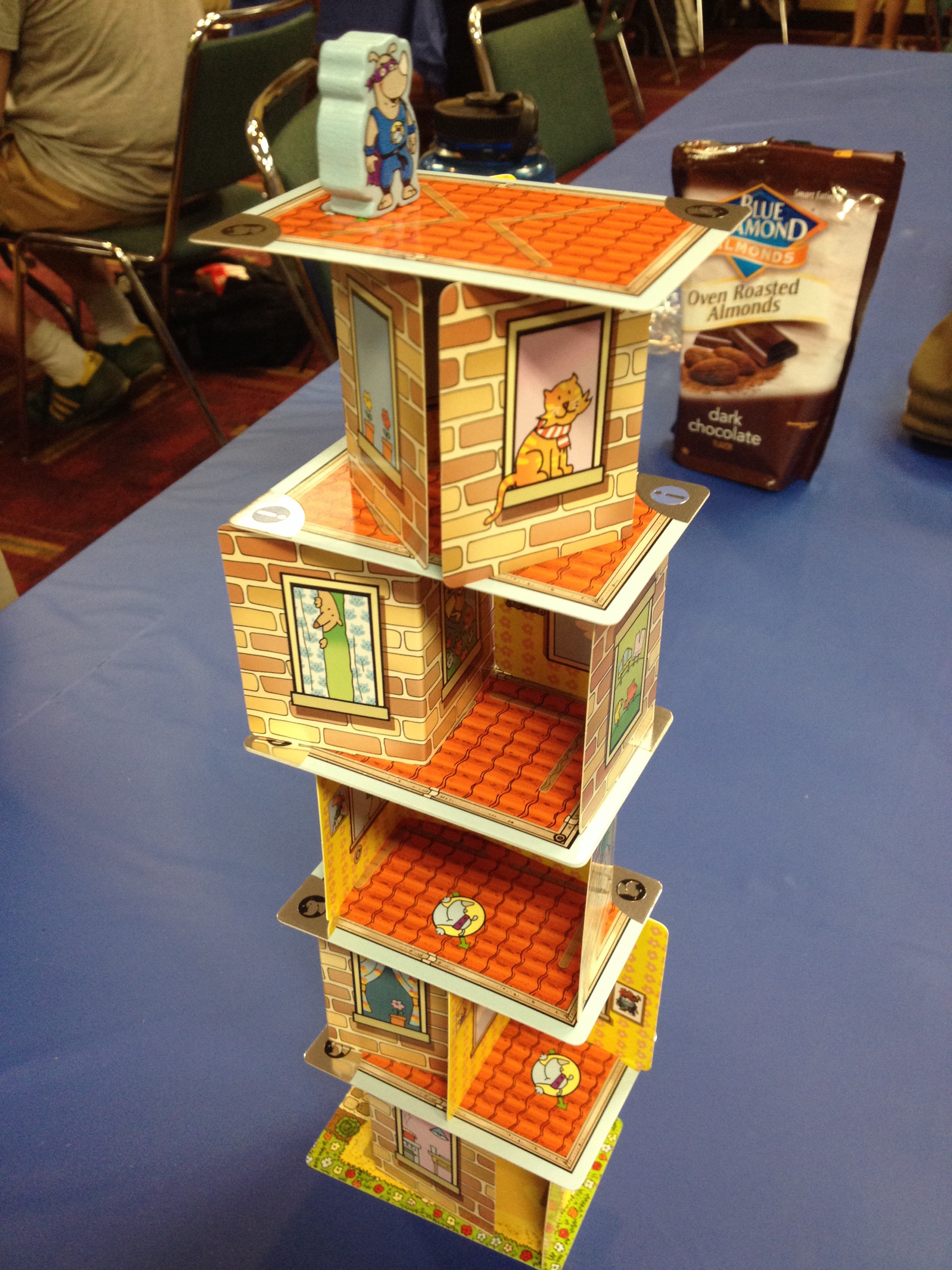
Rhino Hero was also a good pickup for me. I love the tower building mechanic but I’ll probably remove the “lose a turn” cards.

Our group enjoying the Rathskellar with live music and a hopping crowd.
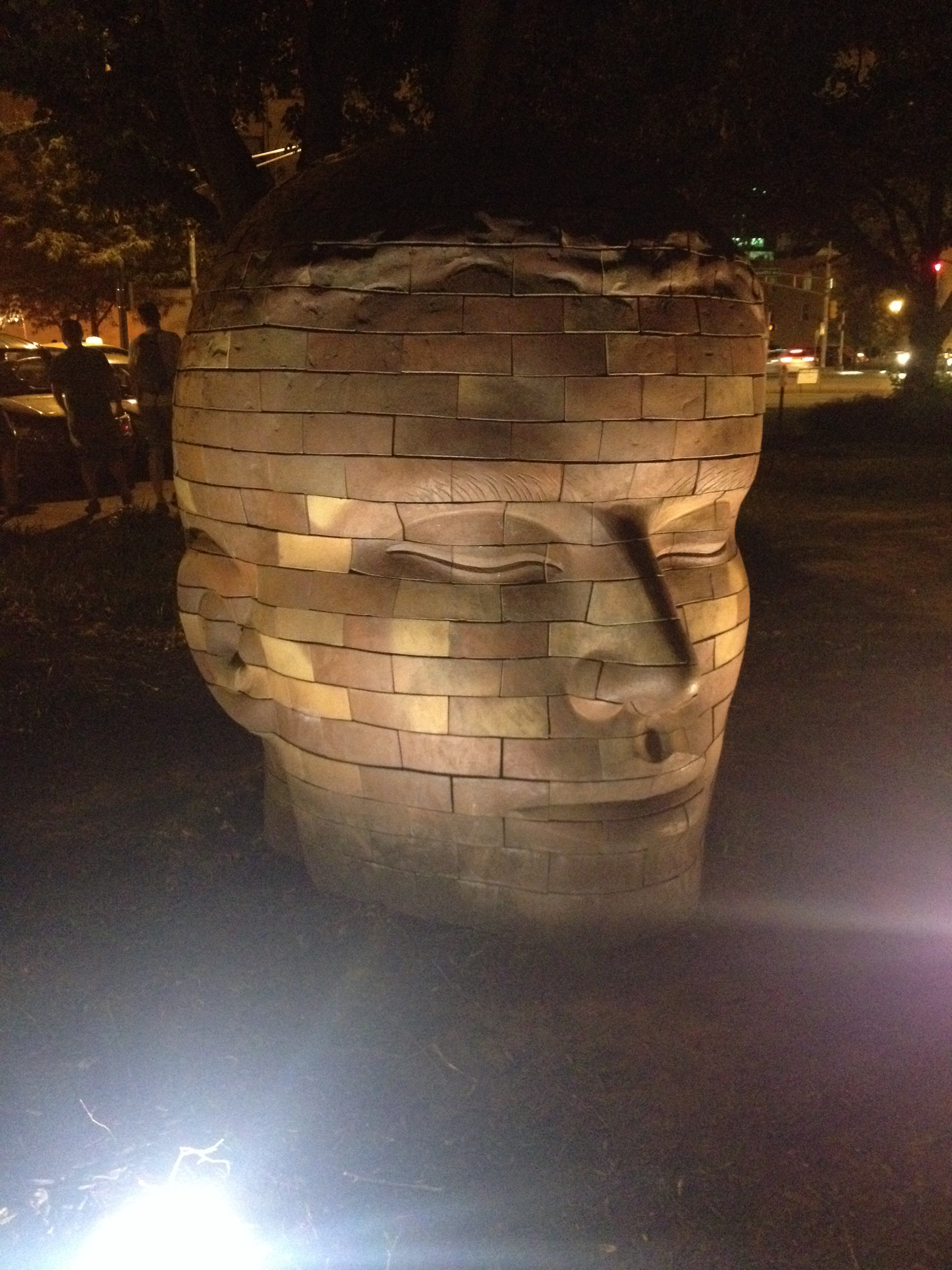
Saw this cool brick head on the way back from the Rathskellar.
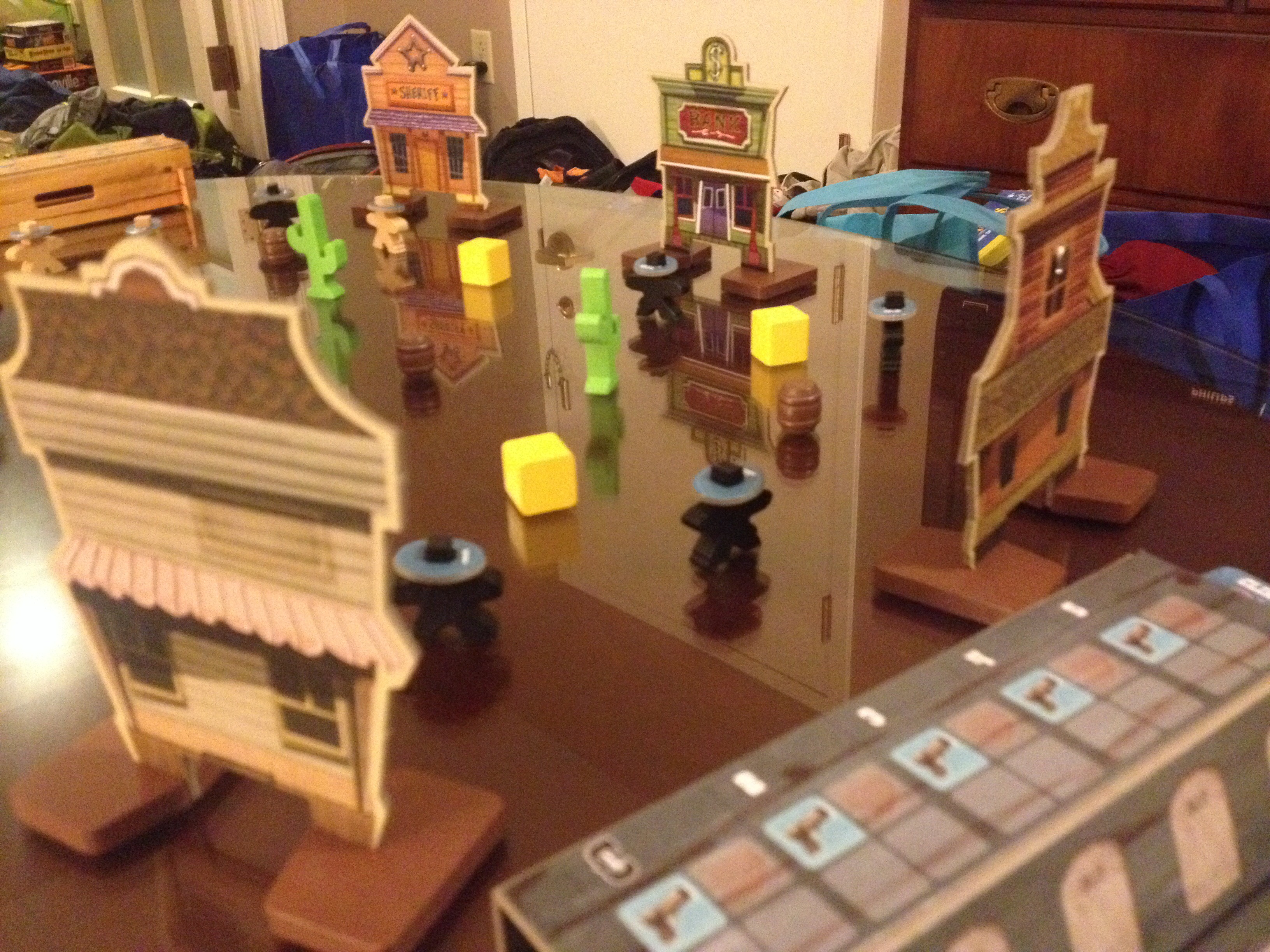
We played a round of Flick ’em Up in our hotel room. It’s a lot of fun.
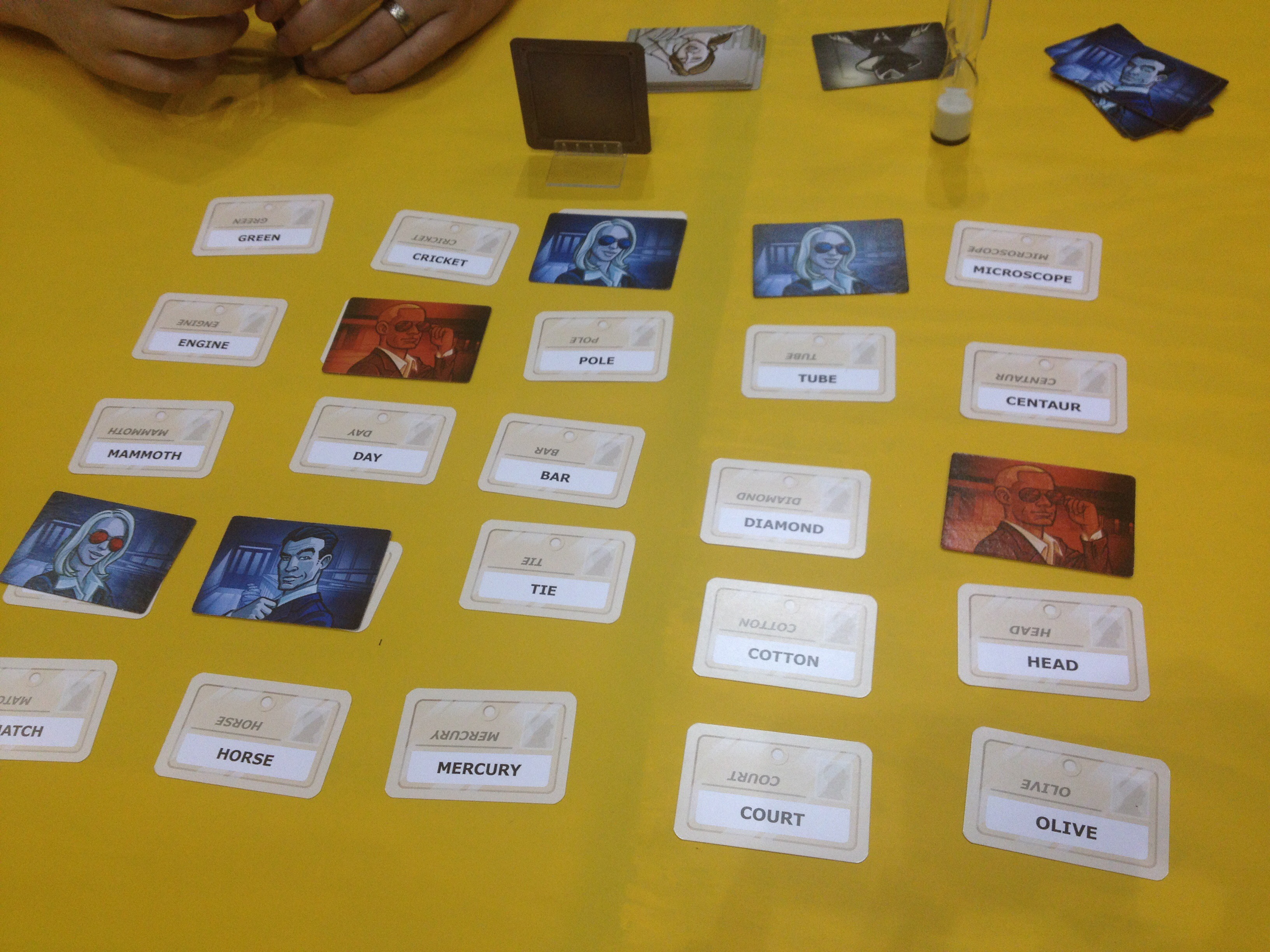
I got to play Codenames with a bunch of awesome game designers in the open hall around midnight. Our team won. It’s a clever game design and was a ton of fun.
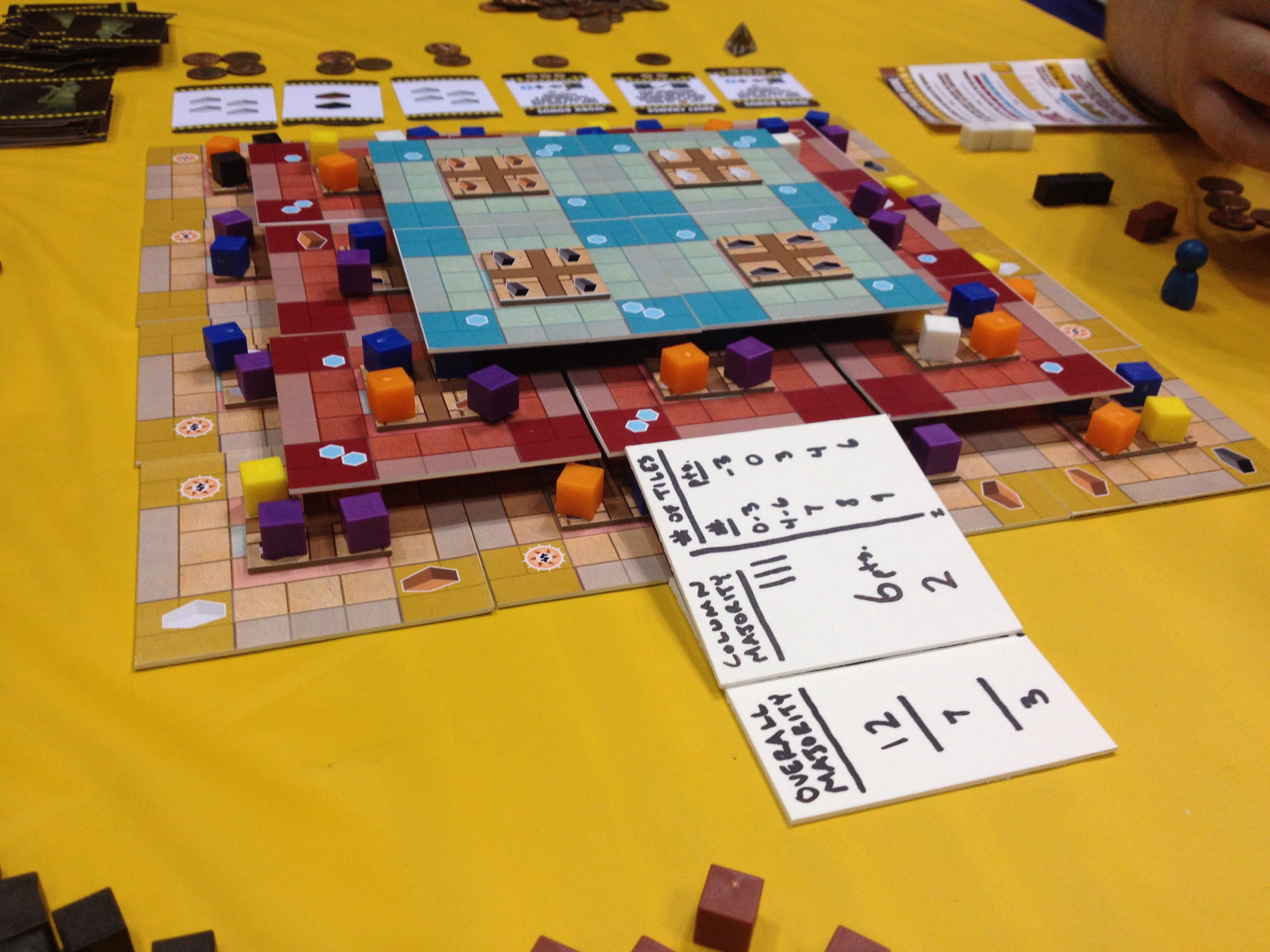
To end Friday I was able to get my game design, Ziggurat, on the table. The honorable Adam McIver, Kerry Rundle, J. Alex Kevern and T.C. Petty III were excellent playtesters.
Saturday
Saturday was our last day so we tried to make the most of it. Here are Saturday’s pictures:
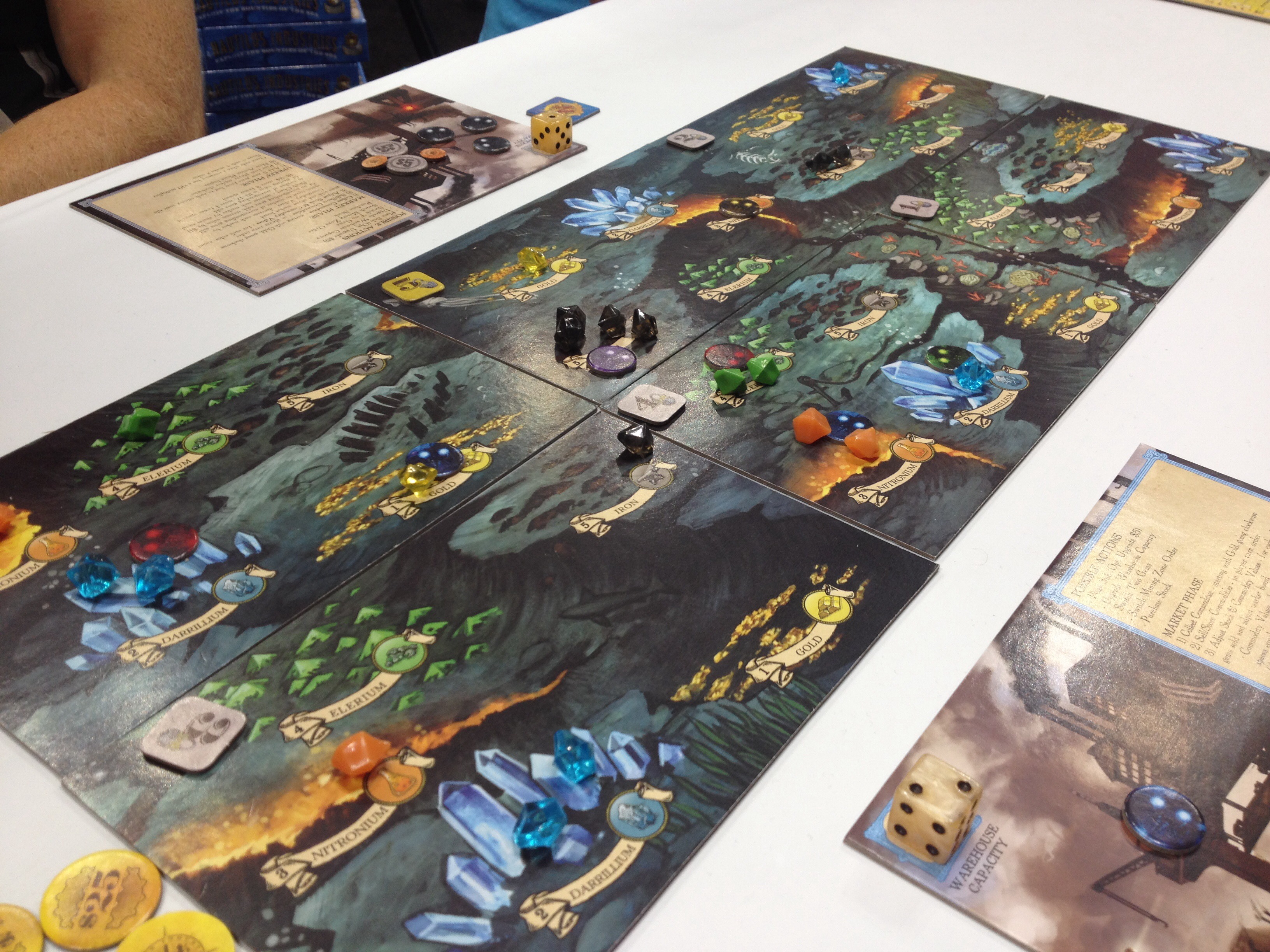
Game Deme: Nautilus Industries. This game was really solid and fun. There are a lot fo ways to mess up your opponents and plan ahead. Recommended.
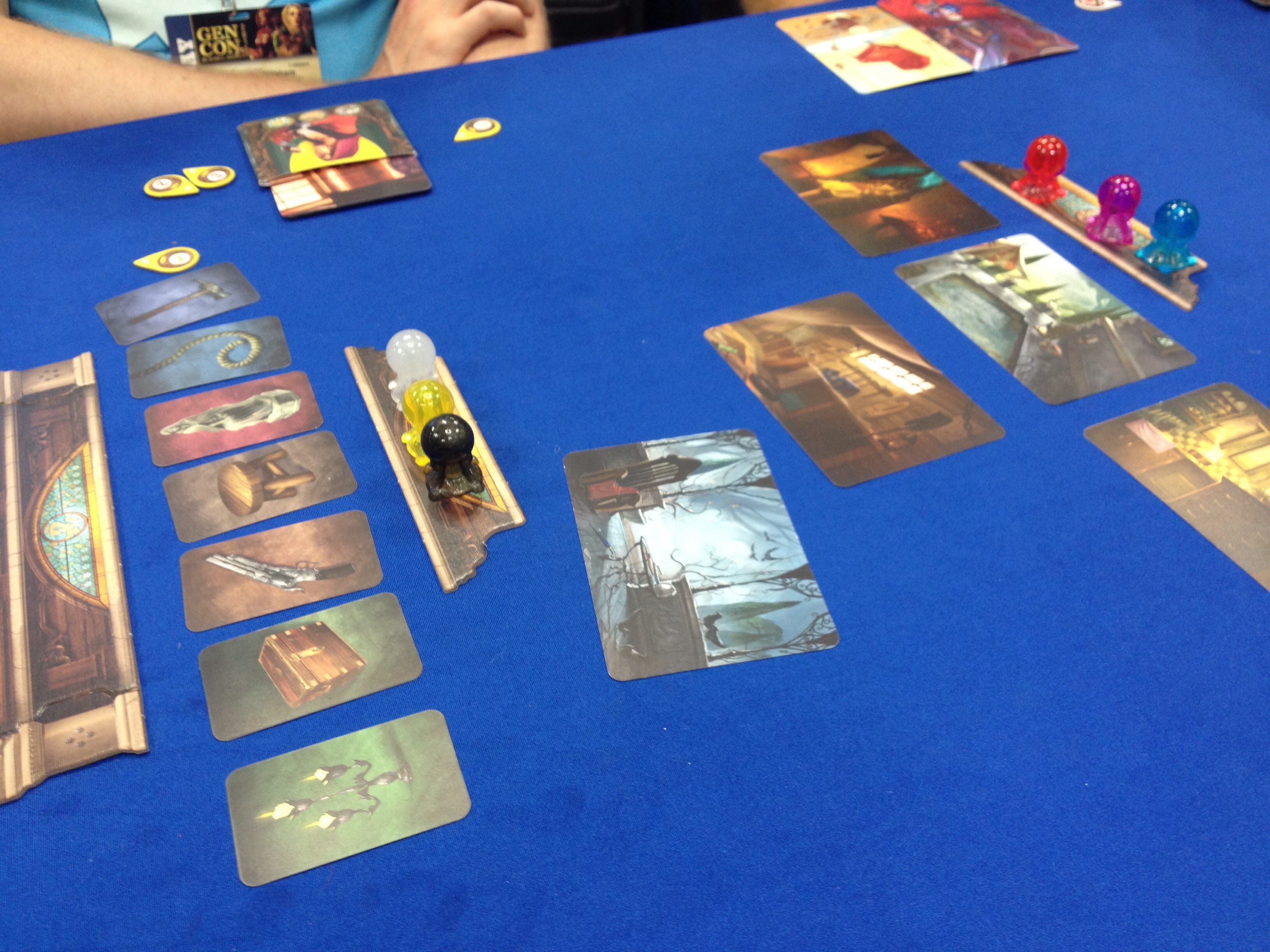
We got in on a Mysterium demo. The art is beautiful. The gameplay is fun. I’m looking forward to our group obtaining a copy.
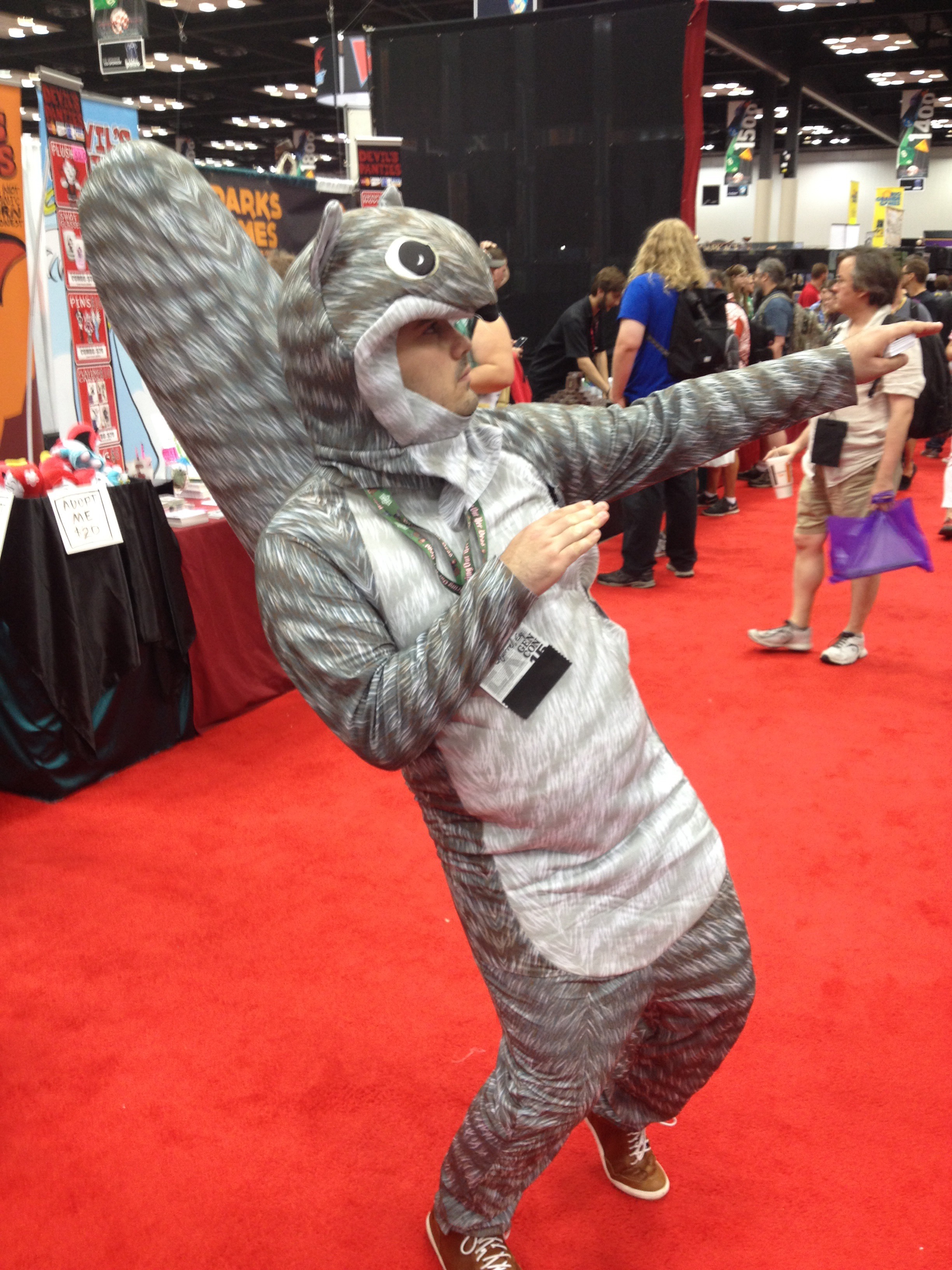
This squirrel costume was awesome! I love squirrels for some odd reason.
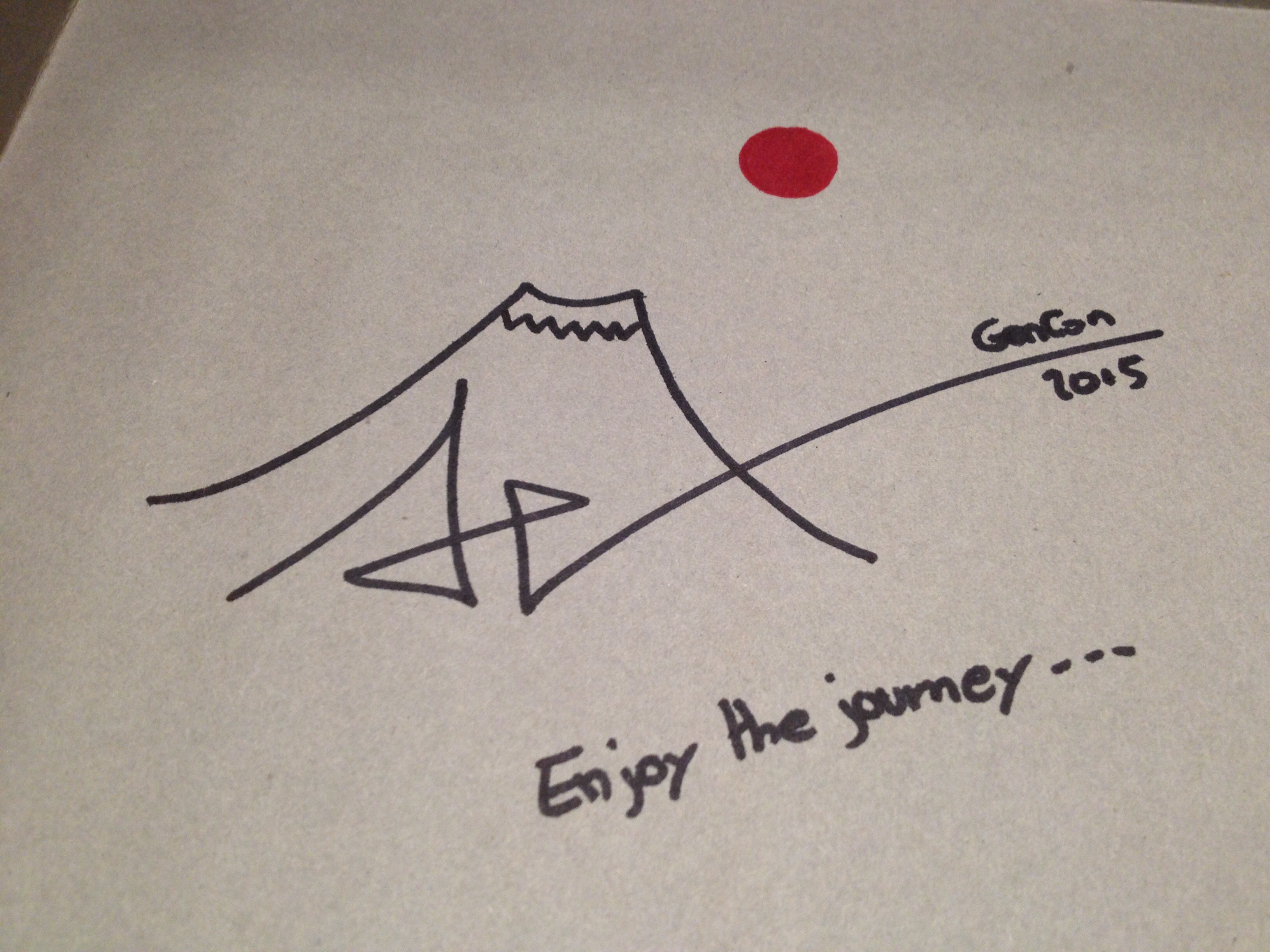
I met Antoine Bauza (designer of 7 Wonders, Takenoko, Tokaido, Samurai Spirit and more) and he signed my box for me!

It’s a Gen Con tradition to take pictures of cool cars. I’ve seen a Ferrari at every Gen Con!

But I’d never seen a McLaren before! That thing is so awesome!
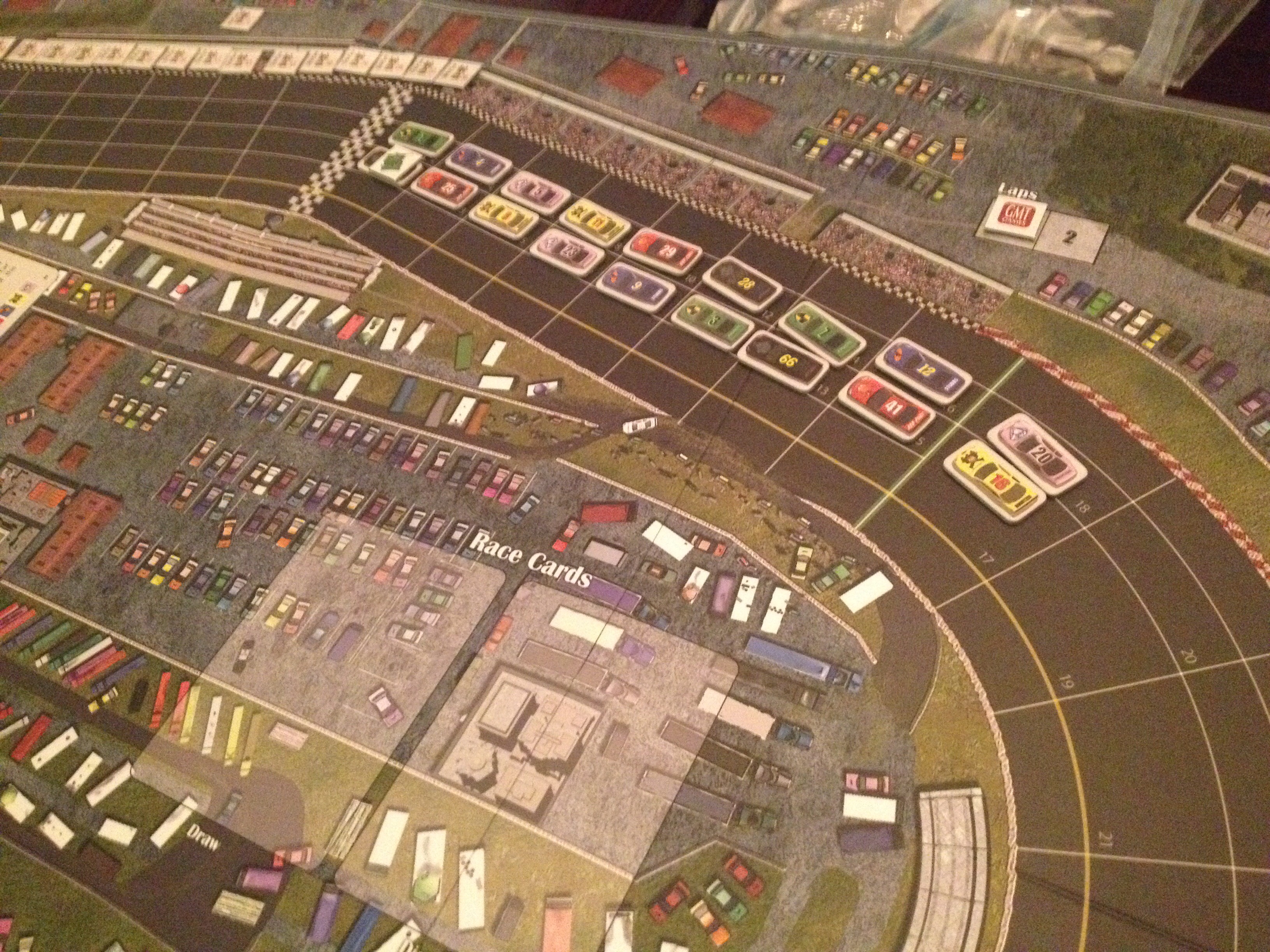
Jeremy picked up Thunder Alley for $40 at the Cool Stuff Ding and Dent booth. We got in a lap after dinner. This game is a lot of fun and the movement mechanics make it enjoyable!
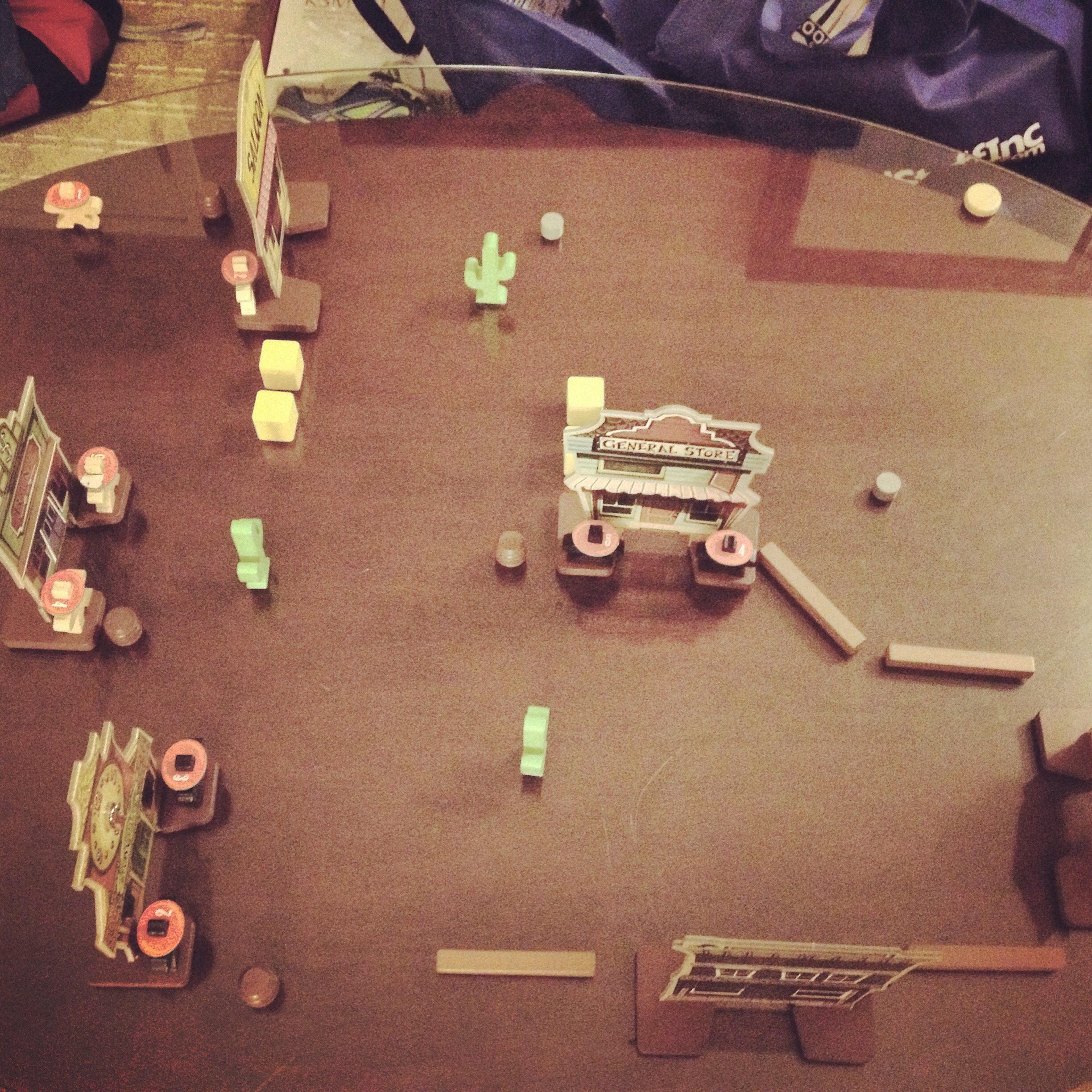
Before calling it a night we played the Duel at Hotcreek scenario of Flick ’em Up. The good guys lost but we had a good time.
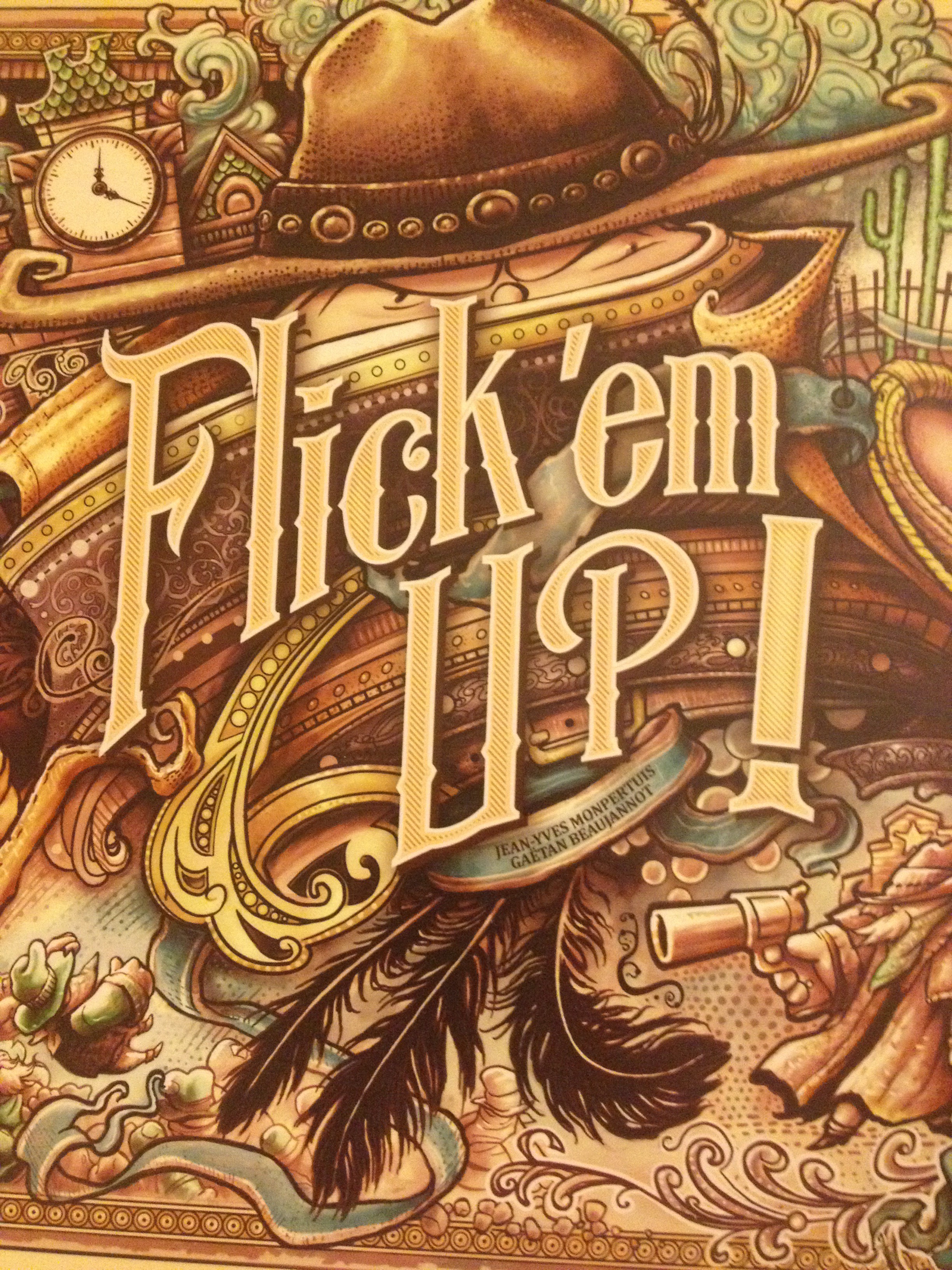
The box cover looks fantastic!
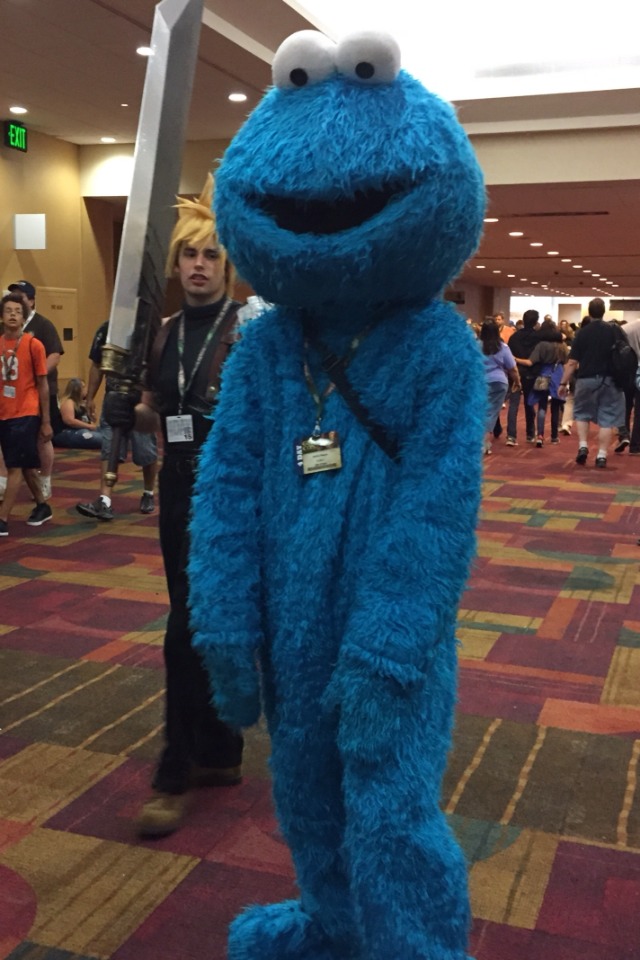
Mark had captured this sweet cookie monster costume and shared the picture with me and now I’m sharing it with you.
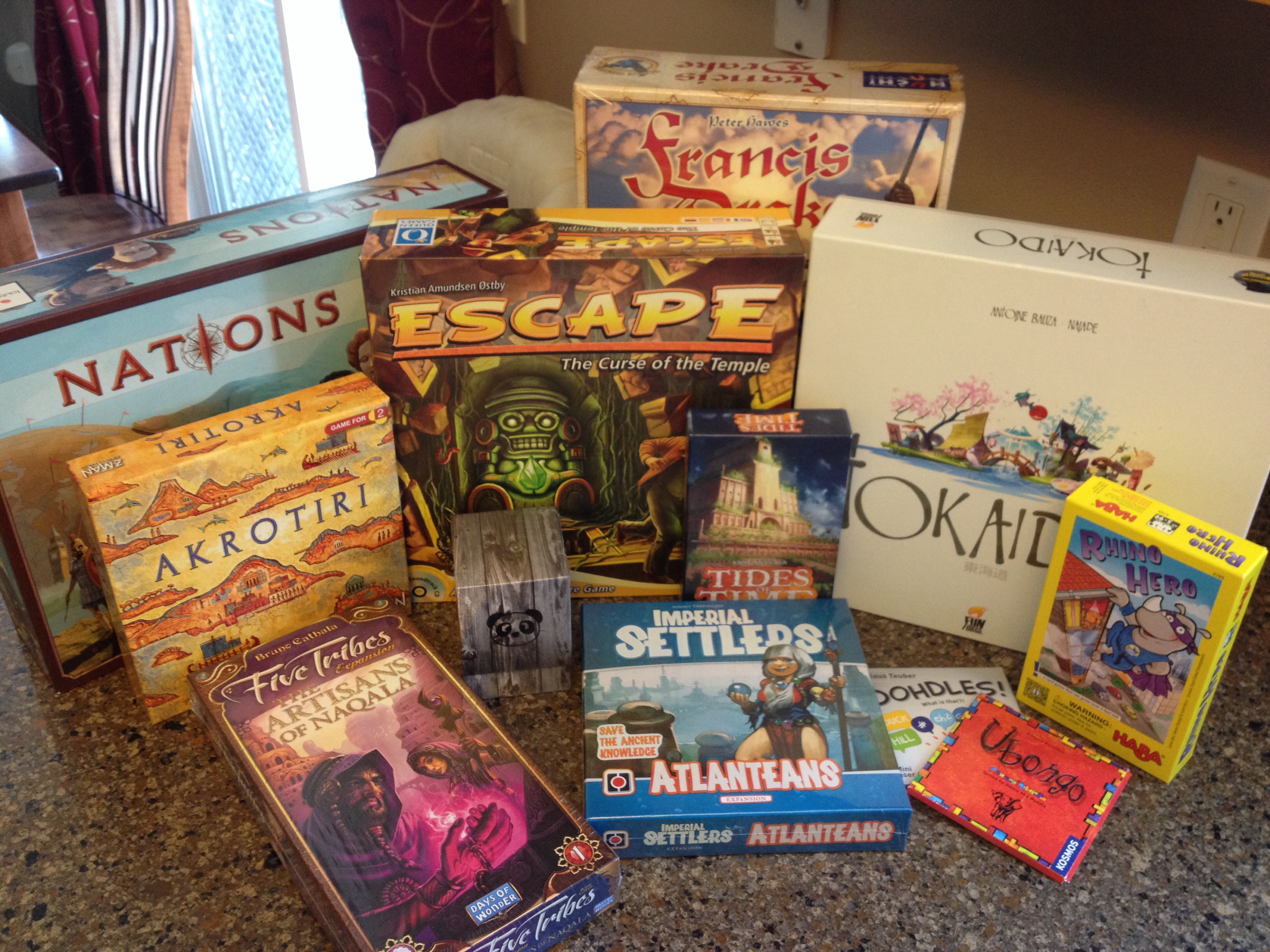
My “Gen Con Haul.” I wish I had snagged a copy of Artifacts, Inc. by Red Raven Games.
My purchase of the con was Francis Drake. I’ve been wanting it for two years but never pulled the trigger due to the $80 price. But I found it for $45 at a booth and snagged it up! I’ve also looking forward to both the Imperial Settlers expansion and the Five Tribes expansion. Those are two of my recent favorite games. I got Nations, Akrotiri, Tokaido, and Escape in the Math Trade. So I didn’t really buy that much this year. Maybe next year! Thanks for checking out my recap.
Foodfighters on Kickstarter – 3 days to go!
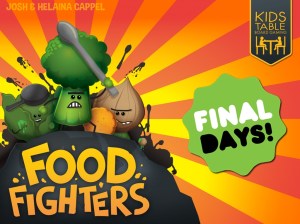
Time to get messy and join the Food Fight!
Foodfighters is a game currently seeking funding on Kickstarter and it’s by Joshua and Helaina Cappel. Joshua is well known for his amazing artwork in games like Belfort and Scoville. Helaina founded Kids Table Board Gaming to create a place where kids’ creativity is at the core.
With children of my own I know that I want them to find paths on which to be creative and perhaps board gaming and design will be one of those paths. For now, since they are little, that path begins with fun and engaging games, like Foodfighters.
Today I’m posting an interview with Joshua and Helaina about this great project, Kids Table, and some other random things. Here are some helpful links to get you started:
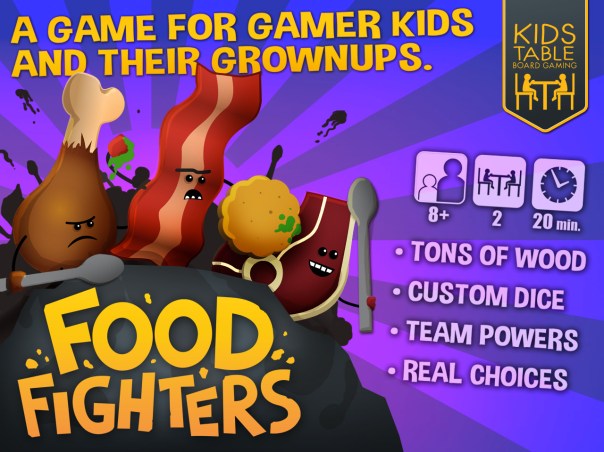
Boards & Barley (B&B): Hello Joshua and Helaina. Thanks for joining me for this blog post. Can you point the readers to where they might learn more about each of you as well as FoodFighters?
Helaina Cappel (HC): Thanks Ed!
Joshua Cappel (JC): Yeah thanks, nice to be here. We stayed at your family’s hotel chain a few nights ago, great stuff. Although mentioning your name at the desk didn’t translate to a discount. You should look into that.
B&B: Unfortunately I don’t get a discount at “my” hotels either despite my name being all over them! What are your kids’ favorite games? What are your favorite games?
JC: Our kids (boys aged 6 and 3) are particularly enamoured with Cockroach Poker. It’s the most-requested game in the house and it has spread amongst their friends. They also enjoy Gulo Gulo, Loopin’ Louie, Gobblet Gobblers, and a number of my own designs including Rescue Rockets (due out this year from Z-man Games), River Runners (prototype I’m shopping around) and of course Foodfighters!
HC: There actually isn’t a day that goes by that our kids don’t ask to play something (thank goodness – Josh and I were hoping our kids would enjoy gaming as much as we do). I just hope, every time they ask for a game, that it is a game that we will enjoy playing as well. As much as I hate to admit it, there’s a bit of Chutes & Ladders in the mix, along with the games Josh mentioned.
JC: Grrr, Chutes & Ladders. Every time we play it I enter a silent rage inside. Not even so much as a game designer, but as a game artist. So many things wrong with this. More than one pawn doesn’t physically fit in the same space! The board layout is a grid even though the topography is a path… there’s no reason that space 9 should be touching space 12, but it does… little kids never know whether they’re going left or right or up or down, and some smarter visual design would have improved this so easily.
 B&B: (Note to self: Don’t mention Chutes and Ladders around Josh.) Can you give us all a little bit of the Foodfighters origin story? Where did the idea come from and how long have you been working on it?
JC: Foodfighters began as a totally different game; a semi-abstract game called Shutri. I designed it over a decade ago and although it was a favourite among friends, it was a weird duck to pitch to publishers. Generally publishers don’t go for abstracts, and generally abstract-game fans don’t like dice-rolling. Helaina insisted that the game was worth pursuing though, and eventually convinced me to add a theme and beef up the gameplay accordingly. No pun intended.
HC: You are hysterical Josh! Yes, I loved Shutri from the beginning. It was engaging and fun for us to play one on one (I haven’t always been a big fan of two-player games). But there was something that was lacking. As the game evolved, so too did the fun factor, as well as the depth and complexity of the gameplay. When Foodfighters emerged, it became even more engaging, therefore easier to “sell” to people, and in terms of replayability.
B&B: What are some of the highlights or lowlights of running your own Kickstarter campaign? Were there any surprises?
JC: The highlights for me have been working with Helaina on this project, and discovering the unbelievable support we’ve gotten from our family and friends. Truly it’s humbling. The lowlight has been the unforeseen stress and difficulty of running a 30-day campaign; when your game doesn’t fund in 40 minutes like we all fantasize will happen, it can turn into a real grind. We keep discovering things we wish we could go back in time and change, but we can’t. Our strategy has been to keep consistently asking questions and listening to the answers; trying to adapt our campaign so that our existing backers stay happy and get more for their pledges, and so that we can appeal to new crowds of potential supporters.
HC: I, too, have enjoyed working on the Foodfighters campaign with Josh. I think we make a really great team. I am taken aback by the outpouring of support we have experienced over the last few weeks. Not just from our friends and family, but from people who are genuinely excited about this project. I have met so many people who are interested in what I am doing, specifically for the reasons I am doing it; I want to make great games that are engaging for kids and adults.
I was told, before this campaign began, that I would be on the edge of my seat for every second it is live. That is a complete understatement. The campaign has totally enveloped me. I didn’t realize how little sleep I would get, and that while I am sleeping, I would still be working on Foodfighters in my dreams.

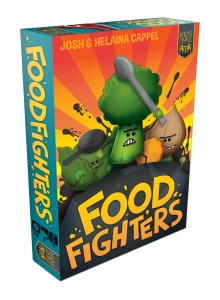
The appetizing components for Foodfighters!
B&B: What makes Foodfighters unique? Why should people back it?
JC: There are a few things that make Foodfighters unique. In gameplay terms, there is the thought-bubble system which clearly shows players which target a fighter is interested in attacking. This creates an interesting demand for the player to simultaneously behave offensively and defensively. The no bad results on the dice is a cool twist too… players want to roll splats when they attack, but if they miss, then the dice show Beans which the player collects. Beans are the game’s money, so you use them to buy cool stuff to improve your fighters. This is how we turned a “bad” thing into a “good” thing… players are sometimes actually happier when they miss!
People should back Foodfighters for the gameplay, but also for what Kids Table is trying to achieve with it; I’ll let Helaina talk about that though.
HC: Foodfighers is a game that is engaging for adults and kids. I want to make games for smart kids to play with their smart parents, and I want them to LOVE what they are playing. Game play should be engaging, and, there should be some aspect of strategy that can be managed by kids. Games that have a strategic component help kids to learn a great deal about gaming, and about life.
B&B: I love your artwork style, Joshua, especially for Belfort. Regarding Belfort, which of the easter eggs hidden on the board was your favorite to draw?
JC: Thanks! Belfort started my ongoing tradition of sneaking easter eggs into game art. There’s actually a Belfort reference hidden in your Scoville! I think my favourite one to draw was probably the Alien Scout ship (from the first TMG game I did art for, Terra Prime) being disassembled in the courtyard of one of the blacksmiths. There’s a crowd of onlookers, and wizards trying to figure it out while Gnomes and Dwarves pry panels off with crowbars. It’s a fun scene and it’s so tiny and pretty obscure. I’m sure people scanning the board for fun stuff like that had a tough time trying to figure out exactly what the reference was, ha!
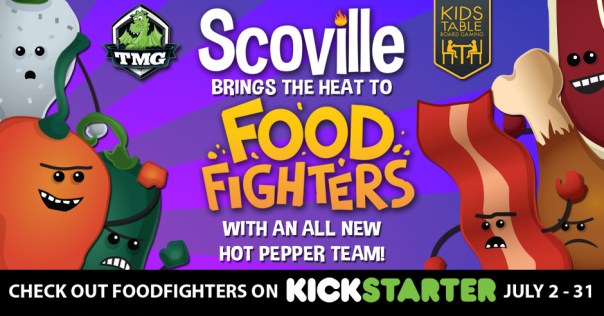
B&B: Tasty Minstrel Games mentioned a Foodfighters-Scoville Crossover in a Scoville KS update and on Twitter. Can you mention anything about that?
JC: I can. The Foodfighters-Scoville crossover is a new fightin’ Hot Pepper Faction inspired by Scoville (Habanero, Jalapeño, and Phantom Pepper), with unique art and special team powers! Kickstarter backers will get access to a high-quality print n’ play of the faction so that they can mix up their game with these spicy fellows!
HC: I was so excited to introduce the Foodfighters-Scoville Crossover. It just seemed so natural as a crossover. It turned out to be adorable. We’re hearing some great chatter about it.
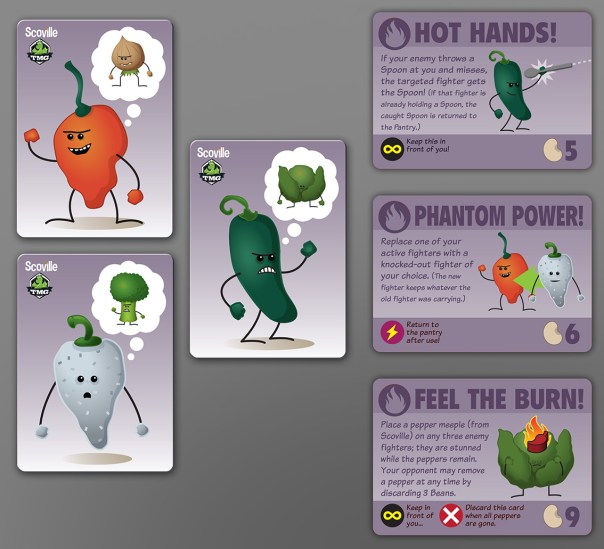
Team Scoville!
B&B: Helaina, I think Kids Table is awesome. What are some of your longterm plans with the company? Are there more games in the future?
HC: Thanks so much Ed! I think it’s pretty awesome also! When I began Kids Table I started with an after school program. The goal of this progam is to have kids learn about games (mechanics and theme) while they play. After several weeks, they design their own games, going through several rounds of playtesting, finally coming up with a prototype, rules, and a sell sheet. I LOVE this! It is the most fun I have with kids (other than my own, of course), all week.
But I also want to publish smart games for kids because there aren’t enough choices out there. Yes, this means that there will be other games down the road. And I don’t want to specifically publish Josh’s games either. When this Kickstarter campaign is over, I will be looking for my next game.
B&B: Thanks so much to both of you for joining me. I wish you the best on the rest of the campaign.
JC: Thanks, Ed! Only a few days left and we are bumping up against 90% funded! I think we can do it, but it’s going to be a nailbiter!
HC: Thanks so much Ed! And readers, don’t forget to play with your food!
B&B: Thanks, everyone, for reading this interview and for checking out the campaign for Foodfighters. As a reminder to all of you here are some links where you can find out more about the Kids Table and the Foodfighters campaign:
Impossible!
No, the title doesn’t refer to your shock that there’s actually a new blog post on Boards & Barley. Instead it refers to a new abstract game design of mine.

Waterfall (1961). Photo Credit: mcescher.com.
When I was a child I found a small print of M.C. Escher’s Waterfall Lithograph in my dad’s at-home office. At first I thought it was kind of neat but after a few minutes I realized how truly awesome the artwork was. There is an impossibility in the physical concepts of a waterfall flowing uphill. But yet this artwork makes it actually appear possible.
M.C. Escher has long been an inspiration of mine. I love trying to wrap my mind around the 2D artwork that portrays 3D impossibilities.
So I decided to make an abstract tile placement game around that concept. It is based on an impossibility that occurs in the waterfall lithograph. That impossibility is known as the Penrose Triangle. While I’m not using it exactly, I am using the fundamental idea of the Penrose triangle. I’ll show you below.
But first, because I have an illness where I must create a logo for any game design I am working on, here is the prototype logo:

The game is currently still in the concept phase. I have been trying to work out some “Euro-y” type scoring conditions but I’ll have to playtest it before I decide if they should be public goals or private goals, or a combination of both.
Here is an example scoring condition:
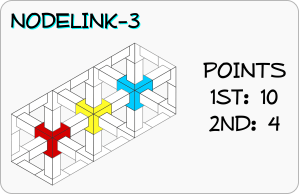
If players build a nodelink matching these colors then they will earn the points shown on the card. The first player to build such a nodelink would earn the 4 points while the second player would earn 4 points.
I currently have a bunch of different scoring conditions based on the nodes that will be built during the game. I’m looking forward to playtesting it and figuring out some of the balance about these cards.
The basic gameplay is simple. It’s sort of a mix between Carcassonne and Qwirkle. Players will play 1 tile anywhere that it fits onto the board. Nodes will be built up this way. Once a node is completed, it’s color is determined by whichever color is of a majority at the node.
There will also be one-time use bonuses that allow players to play more than one tile at a time. These should allow for players to make awesome moves in the game and have rewarding moments. My hope is that it also allows for some “take-that” type action where you can mess with something that other players are working on.
That’s the current status of Impossible. I will be bringing the prototype to Gen Con and I’m hoping to get it in front of some people. Thanks for reading and let me know if you have any questions.
 Boards and Barley